In this guide
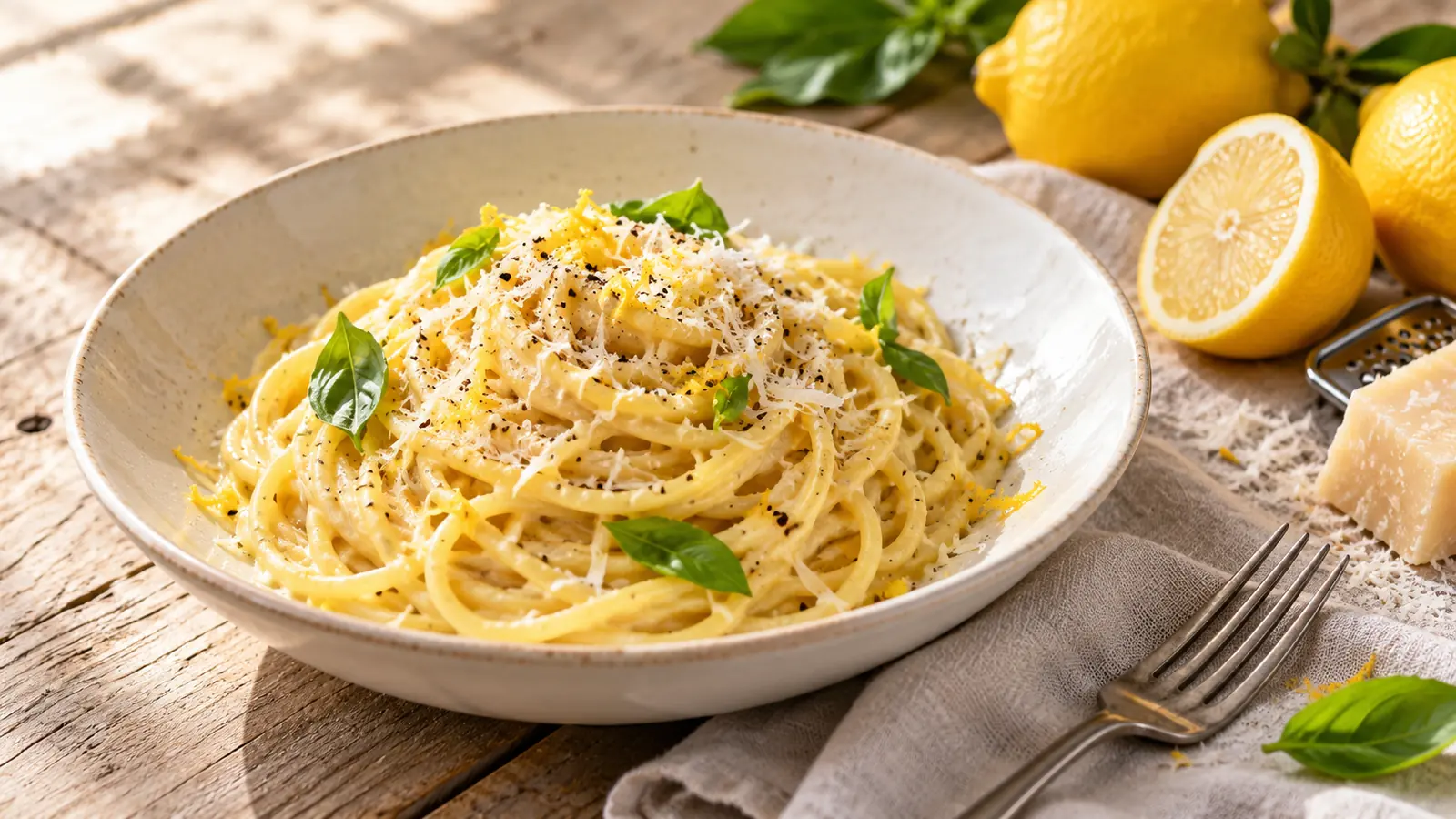
Lemon pasta is one of the fastest good dinners you can make. You need pasta, butter, lemons, Parmesan and the water the pasta cooked in. In about 25 minutes, those few things turn into a silky sauce that tastes bright, rich and clean all at once.
It is also easy to get wrong. Too much heat and the butter turns greasy. Add the cheese too soon and it clumps into strings. Pour in the lemon juice early, especially with cream, and the sauce can look grainy. This guide explains why each of those things happens and how to avoid it. You will learn what each ingredient does, which pasta shapes work best, how to build the sauce step by step and how to fix it if it goes wrong. The recipe card at the end serves 4.
What Is Pasta al Limone?
Pasta al limone simply means “pasta with lemon.” In its simplest form, it is long pasta tossed with butter, lemon zest, lemon juice, grated Parmigiano Reggiano and a splash of pasta water. There is no garlic, no onion and no long simmering. The whole sauce comes together in the pan in a few minutes while the pasta finishes cooking.
Where It Comes From
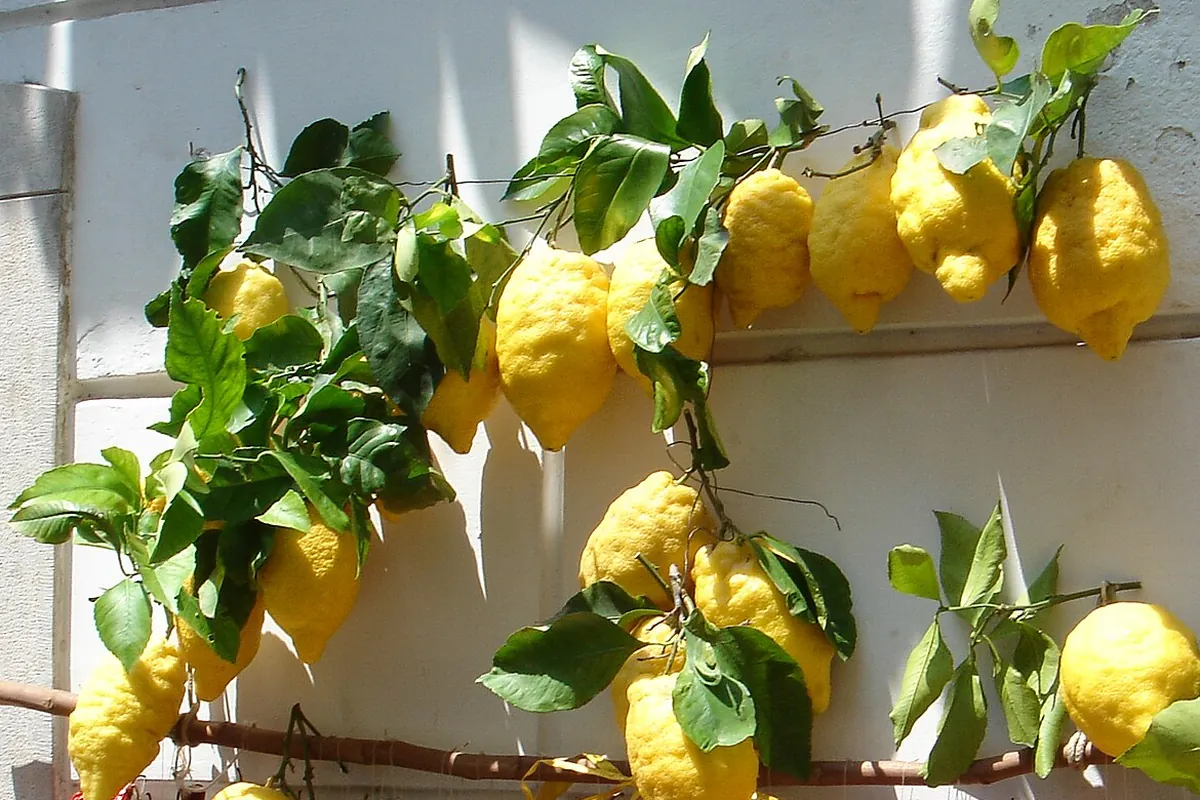
The dish is most closely tied to Campania, in southern Italy, and in particular to the Sorrento peninsula and the Amalfi Coast. Lemons have been grown on terraced groves above the sea there for centuries. Two local lemons hold the European Union’s Protected Geographical Indication (PGI) status: Limone Costa d’Amalfi, made from the long, pointed Sfusato Amalfitano variety, and Limone di Sorrento. These lemons are known for their thick, fragrant peel, which is exactly the part that flavors a good lemon pasta.
Nobody can point to a single original recipe. Pasta al limone is a home dish, and cooks across Italy make it in slightly different ways. Some use only butter, some add olive oil, and some finish it with cream. What they share is a focus on the lemon peel and a light, glossy sauce rather than a heavy one.
Butter, Cream or Both?
You will see two main styles. The first relies on butter, cheese and pasta water. It is lighter and tastes more strongly of lemon. The second adds a little heavy cream, which makes the sauce richer and more forgiving, because cream holds the emulsion together even if you overdo the heat slightly. Both are traditional enough to be served in Italy. The recipe below uses the butter method and gives cream as an option.
Lemon Pasta Ingredients and Why They Matter
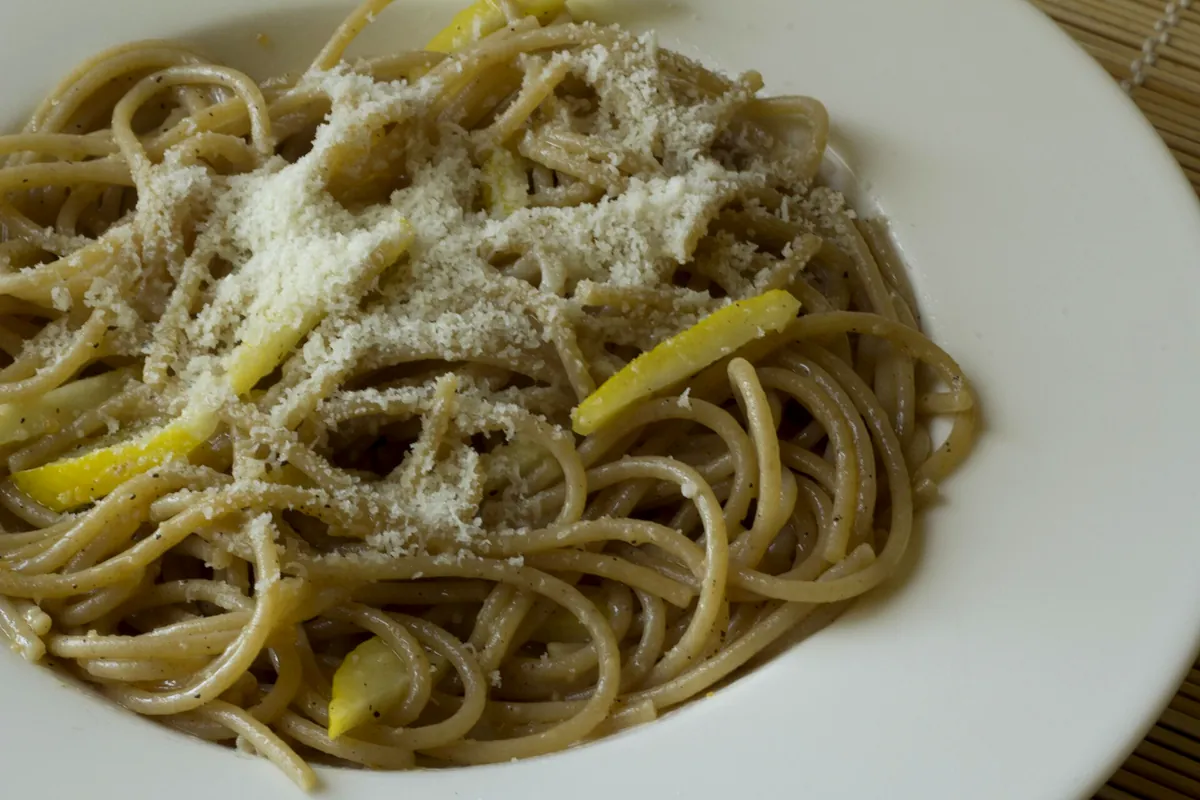
With so few ingredients, each one has a clear job. Use the best version of each you can find, and measure the lemon and cheese the first time you make it. After that, you can cook it by taste.
- Dry pasta: spaghetti, linguine or tagliolini, 12 ounces for 4 people
- Lemons: 2 large, preferably unwaxed or organic, for zest and juice
- Unsalted butter: 4 tablespoons, cut into pieces
- Parmigiano Reggiano: about 3/4 cup, finely grated
- Pasta water: about 1 1/2 cups, saved before draining
- Heavy cream (optional): 1/3 cup for a richer sauce
- Black pepper and herbs: fresh basil or parsley to finish
Lemons: Zest vs Juice
A lemon gives you two very different flavors. The zest carries the aroma. It is full of fragrant oils, so it tastes floral and lemony without being sour. The juice carries the acid. It makes the dish taste bright and cuts through the butter and cheese.
Good lemon pasta uses both, but at different times. Zest goes in early, into the warm butter, where the fat draws out its oils. Juice goes in last, off the heat, a little at a time, so you can stop when it tastes right. If you use only juice, the pasta tastes sharp but not very lemony. If you use only zest, it tastes fragrant but flat.
Use a fine rasp grater and take only the yellow layer. The white pith beneath it is bitter. Wash and dry the lemons first, and buy unwaxed lemons if you can, since you are eating the peel. Meyer lemons work well too. They are less acidic, so you may need a little more juice.
Butter
Butter is the base of the sauce. It is already an emulsion of fat and water, which makes it easy to turn into a creamy coating when you add hot pasta water and toss. Use unsalted butter so you control the salt, since the cheese and pasta water are both salty. Cut it into pieces so it melts evenly. Some cooks swap in a little olive oil for part of the butter. That works, but a sauce made only with oil is harder to keep emulsified.
Parmigiano Reggiano
The cheese adds salt, savory depth and body. Parmigiano Reggiano is a protected (PDO) Italian cheese, aged for at least 12 months. Grate it yourself on the fine holes of a box grater or a rasp, just before cooking. Finely grated cheese melts quickly and smoothly. Pre-grated cheese in a tub is often coarse and can contain anti-caking agents, so it is more likely to clump. Pecorino Romano or Grana Padano also work, though pecorino is saltier and sharper. Traditional Parmigiano Reggiano is made with animal rennet, so if you cook vegetarian, choose a hard cheese made with microbial rennet.
Starchy Pasta Water
Pasta water is the ingredient people forget, and it is the one that makes the dish work. As pasta cooks, it releases starch into the water. That cloudy, salty liquid helps bind butter and cheese into a smooth sauce and stops it from turning oily. Save more than you think you need, about 1 1/2 cups, before you drain. You will use it to build the sauce and to loosen it at the end.
Cream (Optional)
A few tablespoons of heavy cream make the sauce richer and more stable. Heavy cream has a high fat content, which helps it resist curdling when lemon juice goes in. Light cream, half-and-half and milk have less fat and more protein, so acid is more likely to make them look grainy. If you want a creamier sauce, use heavy cream and keep it at a gentle simmer, never a hard boil, once lemon is in the pan.
Black Pepper and Herbs
Freshly ground black pepper adds a little heat against the rich butter. Fresh basil is the most common herb in Italian versions and goes in at the very end. Flat-leaf parsley or chives also work. Keep it simple: the lemon should stay the main flavor.
Best Pasta Shapes for Lemon Pasta
A thin, glossy sauce like this one coats long pasta best. Each strand gets a light layer, and the sauce pools a little in the bottom of the bowl. Thick or ridged short shapes can work, but they hold less of the sauce on their surface.
| Shape | Why it works | Notes |
|---|---|---|
| Spaghetti | Classic choice; easy to toss and coat evenly | Most common in Italian recipes |
| Tagliolini | Thin egg ribbons that soak up butter and cheese | Often fresh; cooks in 1 to 3 minutes |
| Linguine | Flat strands hold a little more sauce | Good with the cream version and with shrimp |
| Fettuccine | Wide ribbons for a richer, creamier sauce | Use more sauce; best with cream |
| Bucatini | Hollow center traps sauce | Needs a little more pasta water |
| Short shapes (orecchiette, fusilli) | Catch peas, ricotta and chunky add-ins | Better for vegetable variations |
Fresh vs Dried Pasta
Dried durum wheat spaghetti is the everyday choice. It releases plenty of starch and stays firm while you toss it in the pan. Fresh egg pasta, such as tagliolini, makes a softer, more delicate dish. It cooks in a few minutes, so have the butter sauce ready before the pasta goes into the water.
Bronze-Cut Pasta
Some dried pasta is labeled “bronze-cut” or “bronze die.” It has a slightly rough, matte surface that grips sauce well and releases more starch into the water. It is not essential, but it gives a creamier result with this kind of simple butter sauce.
How to Make Lemon Pasta Step by Step
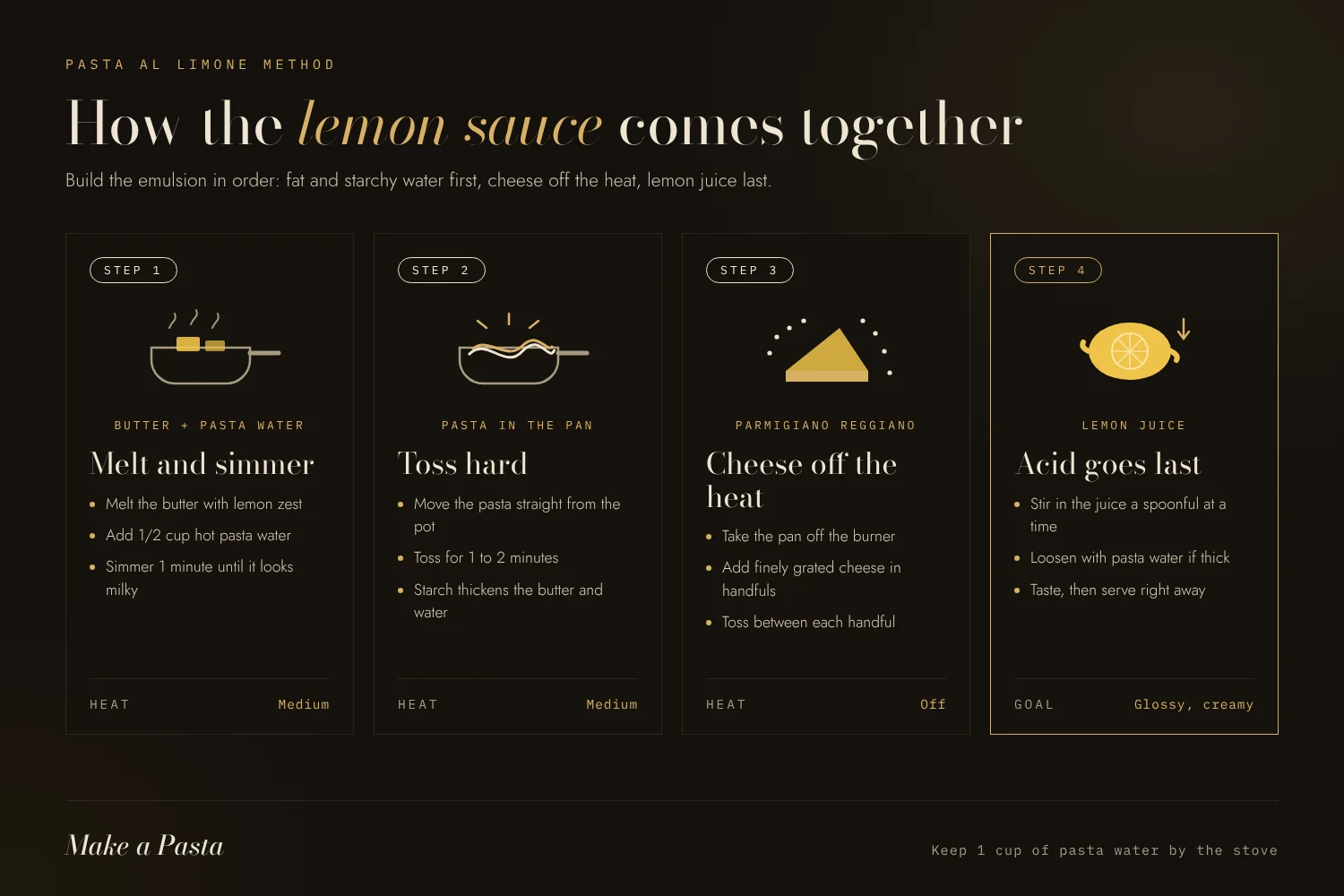
The order matters more than the exact amounts. Fat and water first, then pasta, then cheese off the heat, then lemon juice. Get everything ready before you start, because the last few minutes move fast.
Before You Start
Zest both lemons and squeeze the juice into a small cup. Grate the cheese. Cut the butter into pieces. Put a large skillet next to the pasta pot, along with a mug or ladle for the pasta water. Having it all within reach is the easiest way to avoid a broken sauce.
- 01
Boil and salt the water
Bring about 4 quarts of water to a rolling boil and salt it until it tastes pleasantly salty. Add the pasta and stir for the first minute so it does not stick.
- 02
Cook the pasta 2 minutes short
Cook the pasta for about 2 minutes less than the package says. It will finish cooking in the sauce. Before it is done, scoop out about 1 1/2 cups of the cooking water and set it aside.
- 03
Melt the butter with the zest
About 3 minutes before the pasta is ready, melt the butter in a 12-inch skillet over medium-low heat. Add the lemon zest and let it sizzle gently for 1 minute. Pour in 1/2 cup of the pasta water and simmer for about 1 minute, swirling the pan, until it looks milky.
- 04
Toss the pasta in the pan
Use tongs to move the pasta straight into the skillet. A little water clinging to it is good. Toss and stir over medium heat for 1 to 2 minutes, until the liquid thickens and coats the pasta. Add more pasta water if the pan looks dry.
- 05
Add the cheese off the heat
Take the pan off the burner. Add the cheese in 3 handfuls, tossing well after each one. Add a splash of pasta water between handfuls so the sauce stays loose and smooth.
- 06
Finish with juice and season
Stir in 2 tablespoons of lemon juice. Taste, then add more, a spoonful at a time, until it tastes bright. Add pepper, salt if needed and torn basil. Serve right away in warm bowls.
How Saucy Should It Be?
The finished sauce should coat each strand and leave a small, creamy pool in the bottom of the pan. If you drag a spoon through it, it should flow back slowly. It thickens as it cools, so aim for slightly looser than you want to eat. If it looks thick, add a tablespoon or two of hot pasta water and toss again.
Use a Wide Pan
A wide skillet gives you room to toss and lets the sauce reduce quickly. A deep pot traps the pasta in a heap, so the bottom gets hot while the top stays dry. If you are doubling the recipe, use two pans or a large, wide braiser.
How to Keep the Sauce From Splitting
Lemon pasta sauce is an emulsion: tiny droplets of butterfat suspended in water. When it works, it looks glossy and creamy. When it breaks, the fat separates into greasy pools and the cheese clumps. Three things decide which way it goes: starch, heat and timing.
Why Starch Holds It Together
Starch from the pasta water thickens the liquid and coats the fat droplets, which helps keep them apart. Tossing the pasta hard also rubs more starch off its surface into the sauce. That is why this dish needs real pasta water, not plain tap water, and why vigorous tossing works better than gentle stirring.
Control the Heat
Butter sauces like gentle heat. If the pan boils hard, water evaporates fast, and the fat has nothing left to stay mixed with. Cheese is even more sensitive. Its proteins tighten when they get too hot, squeezing out fat and forming rubbery strings. Keep the heat at medium while you toss the pasta, and always add the cheese with the pan off the burner.
Add the Acid Last
Lemon juice is acidic, and acid makes dairy proteins clump. Adding it at the end, off the heat, keeps the sauce smooth and keeps the lemon flavor fresh. Cooking lemon juice for a long time also dulls its brightness. With the cream version, bring the cream to a gentle simmer with the butter before the pasta goes in, then add the juice last. Never boil cream hard once lemon is in the pan.
Serve It Straight Away
Even a perfect emulsion will tighten as it cools. The pasta keeps absorbing liquid, and the cheese firms up. Lemon pasta is at its best in the first few minutes. Warm the bowls with hot water or in a low oven, and call everyone to the table before you add the lemon juice.
Lemon Pasta Variations
The basic method stays the same in every version. Build the butter and pasta water sauce, add the pasta, add the cheese off the heat and finish with lemon. Here is how to change it.
With Cream
For a richer, more forgiving sauce, add 1/3 cup of heavy cream to the melted butter and zest. Let it simmer gently for 1 to 2 minutes until slightly thickened, then add the pasta and a splash of pasta water. Add the cheese off the heat and the juice last. You may need a little more lemon juice to balance the extra richness. Fettuccine and linguine suit this version.
Without Cream
The recipe card uses the butter method, which is lighter and tastes more of lemon. The key is to use enough pasta water and toss hard. If you want it lighter still, use 3 tablespoons of butter and 1 tablespoon of good olive oil. Expect a thinner sauce that needs to be eaten right away.
Garlic Lemon Pasta
Garlic is not in most Italian versions, but it is a popular addition. Slice 2 garlic cloves thinly and cook them gently in the butter for about 1 minute, until fragrant but not browned, before adding the zest. For a stronger garlic flavor with the same butter base, see our garlic butter pasta.
Lemon Shrimp Pasta
Shrimp and lemon are a natural pair. Sear 1 pound of peeled, deveined shrimp in a little oil for about 1 minute per side, until pink and opaque, then take them out of the pan. Make the lemon sauce in the same pan, and return the shrimp at the end. Our shrimp pasta covers searing times and how to keep shrimp tender.
Lemon Chicken Pasta
Slice cooked chicken breast or thighs and fold them in with the cheese. If you cook raw chicken in the same pan first, cook it until it reaches 165°F in the thickest part, then set it aside while you make the sauce. Thin chicken cutlets, seared and sliced, are the quickest option.
Lemon Pasta With Peas
Add 1 cup of frozen peas to the pasta pot for the last 2 minutes of cooking. They drain with the pasta and go straight into the sauce. Peas add sweetness that balances the lemon. Short shapes such as orecchiette catch them well.
Lemon Pasta With Arugula
Toss 2 to 3 big handfuls of baby arugula into the pan right after the lemon juice. The heat of the pasta wilts it in seconds. Its peppery bite works well with the rich butter. Add an extra spoonful of pasta water, since the leaves soak up a little sauce.
Lemon Ricotta Pasta
For a creamy version without cream, stir 3/4 cup of whole-milk ricotta with the lemon zest, half the Parmesan and 1/4 cup of hot pasta water until smooth. Toss it with the hot pasta and butter off the heat, then add the juice. Ricotta can turn grainy if it gets too hot, so keep the pan off the burner.
Lemon Pasta Troubleshooting
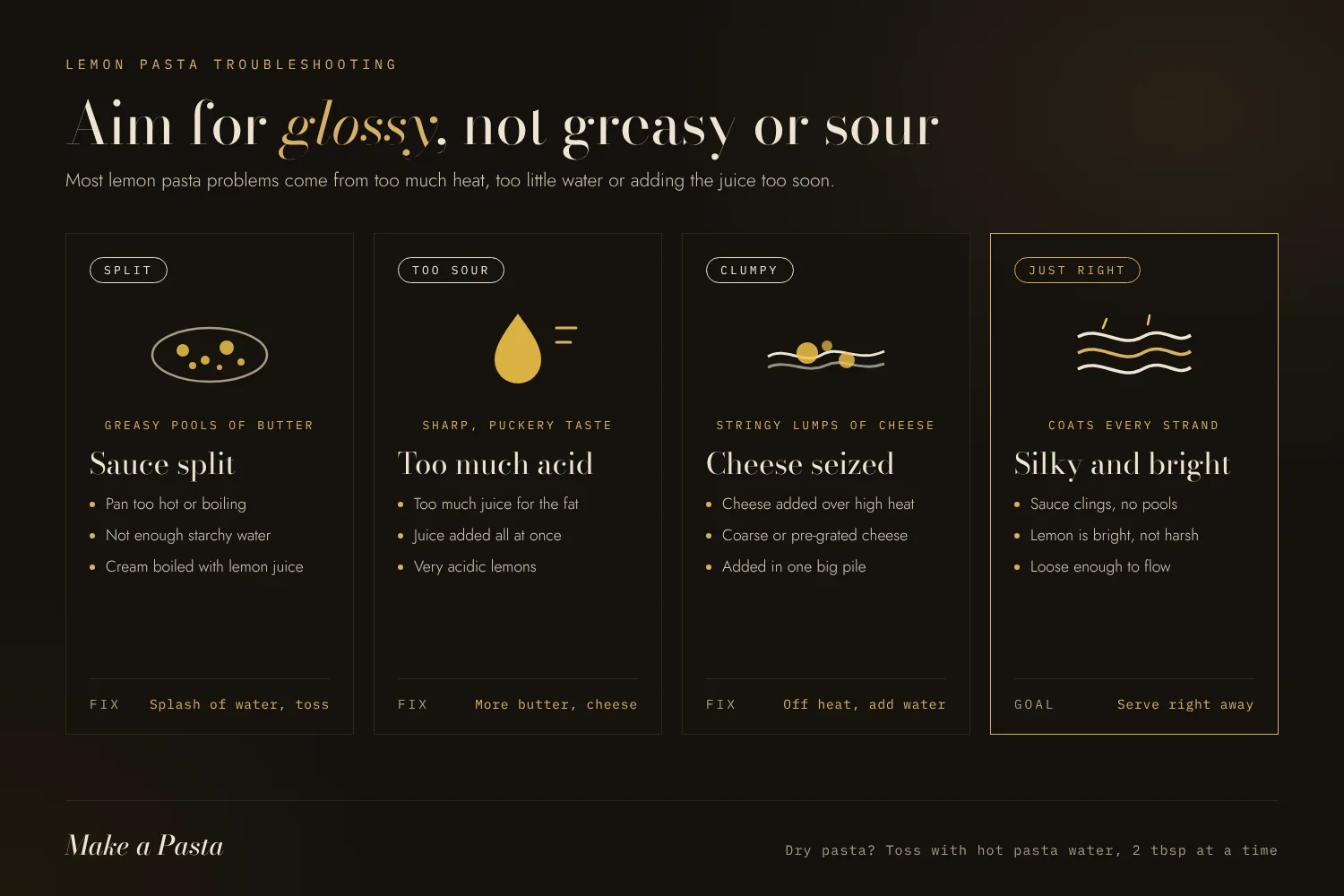
Most problems come down to heat, too little pasta water or adding ingredients in the wrong order. Find yours in the table, then use the fix.
| Problem | Likely cause | Fix |
|---|---|---|
| Sauce split or greasy | Pan too hot; water boiled away; not enough starch | Take off the heat, add 2 to 3 tablespoons of hot pasta water and toss hard |
| Cream sauce curdled | Juice added to boiling cream; light cream or milk used | Use heavy cream, keep it below a boil and add the juice off the heat |
| Too sour | Too much juice for the amount of fat; juice added all at once | Add a piece of butter and more cheese; add juice by the spoonful next time |
| Not lemony enough | Juice but little or no zest | Grate in more zest at the end; it adds aroma without more acid |
| Clumpy or stringy cheese | Cheese added over heat; coarse or pre-grated cheese | Off the heat, add pasta water and toss; grate cheese finely next time |
| Dry or sticky pasta | Too little pasta water; left to sit before serving | Toss with hot pasta water, 2 tablespoons at a time, and serve at once |
| Bitter taste | White pith grated with the zest | Zest only the yellow layer; balance with butter and cheese |
| Bland | Under-salted pasta water; not enough cheese | Salt the water well; add cheese and a pinch of salt at the end |
Rescuing a Broken Sauce
A split sauce is usually easy to save. Take the pan off the heat. Add 2 or 3 tablespoons of hot pasta water and toss the pasta quickly with tongs for 30 seconds. The starch and movement pull the fat back into the sauce. If it is still greasy, add a small piece of cold butter and keep tossing. Cold butter cools the pan slightly and helps the emulsion reform.
When the Cheese Has Already Clumped
Large clumps of melted cheese will not fully melt back into the sauce. Pick out any big strings with tongs, add more pasta water off the heat, and toss in a little more finely grated cheese. Next time, let the pan cool for 30 seconds before the first handful goes in. The same rule keeps eggs from scrambling in our pasta carbonara, and our guide to cheese sauce for pasta explains more about why cheese turns grainy.
Make-Ahead and Storage
Lemon pasta is best eaten straight away. The sauce relies on a fresh emulsion, and it thickens and loses some of its gloss as it sits. You can still prepare parts of it ahead and keep leftovers.
What You Can Prep Ahead
Zest and juice the lemons up to a day ahead. Keep the zest in a small covered container and the juice in a jar, both in the fridge. Grate the cheese and store it airtight in the fridge. With those done, the dish takes about 15 minutes from the time the water boils.
Storing Leftovers
Cool leftovers and refrigerate them within 2 hours in a shallow airtight container. Eat them within 3 to 4 days, which is the general USDA guidance for cooked leftovers. Freezing is not a good idea for this dish. The butter and cheese sauce turns grainy and greasy when thawed.
How to Reheat Lemon Pasta
Cold lemon pasta looks dry because the pasta has soaked up the sauce. Add 2 to 3 tablespoons of water per serving to a skillet, add the pasta and warm it over medium-low heat, tossing until hot and glossy again. Reheat leftovers to 165°F (74°C). Finish with a little fresh zest, a squeeze of lemon and a spoonful of grated cheese to bring back the flavor.
What to Serve With Lemon Pasta
Lemon pasta can be a light main course on its own or a side for simple grilled food. Keep the other dishes simple so the lemon stays the main flavor.
Proteins
Grilled or pan-seared fish, scallops, shrimp and chicken all match the bright sauce. Serve the pasta in shallow bowls with the protein on top, or as a side. If you like the lemon and herb combination, our lemon herb orzo in the guide to how to cook orzo is another good side for seafood.
Vegetables and Salads
A green salad with a sharp vinaigrette, roasted asparagus, sautéed green beans or roasted broccoli all work. Bitter greens, such as arugula or radicchio, balance the rich butter and cheese. Avoid heavy, creamy sides that compete with the sauce.
Other Pasta Dishes to Try
If you enjoy this kind of quick butter and cheese sauce, try our fettuccine Alfredo for a richer dish, or our pesto pasta, which uses the same trick of loosening the sauce with pasta water. For more ideas, browse our full collection of pasta recipes.
Lemon Pasta Nutrition
These figures are approximate. They were calculated from ingredient values in the USDA’s FoodData Central database, divided into 4 servings. The estimate uses 340 g of dry enriched pasta, 57 g of unsalted butter, 60 g of hard Parmesan, 60 ml of lemon juice and 6 g of lemon zest, without cream. Pepper and herbs add very little. Sodium is not listed because it depends on how much salt you add to the pasta water.
| Nutrient | Amount | Main sources |
|---|---|---|
| Calories | About 480 | Pasta, butter and Parmesan |
| Protein | About 17 g | Pasta and Parmesan |
| Carbohydrate | About 65 g | Pasta |
| Fat | About 17 g | Butter and Parmesan |
| Saturated fat | About 10 g | Butter and Parmesan |
| Fiber | About 3 g | Pasta and lemon zest |
The butter and cream change the numbers the most. Based on USDA values, adding 1/3 cup of heavy cream adds about 70 calories and 7 g of fat per serving.
Lemon Pasta FAQs
Why did my lemon pasta sauce split?
The sauce usually splits because the pan got too hot or there was not enough starchy pasta water. The water evaporates, and the butterfat separates into greasy pools. Take the pan off the heat, add 2 to 3 tablespoons of hot pasta water and toss hard for 30 seconds. A small piece of cold butter also helps the sauce come back together.
Does lemon juice curdle cream in pasta?
It can, especially with milk, half-and-half or light cream, or when the cream is boiling. Heavy cream has more fat, so it resists curdling much better. Keep the cream at a gentle simmer, take the pan off the heat and add the lemon juice last, a little at a time. This keeps the sauce smooth and the lemon flavor fresh.
Is pasta al limone made with cream?
Both versions exist. Many recipes from the Amalfi Coast and Sorrento area use only butter, lemon, Parmigiano Reggiano and pasta water, which gives a lighter sauce. Others add a little cream for a richer, more stable sauce. Neither is wrong. The recipe here uses the butter method and gives heavy cream as an option for a creamier result.
What is the best pasta for lemon pasta?
Long pasta is best because the thin, glossy sauce coats each strand. Spaghetti is the classic choice, and fresh tagliolini makes a softer, more delicate version. Linguine and fettuccine suit the cream version. Short shapes such as orecchiette work well when you add peas, ricotta or other chunky ingredients that need something to catch them.
Can I use bottled lemon juice?
Bottled juice gives acid but little aroma, and it can taste flat or slightly bitter. The zest is where most of the lemon flavor in this dish comes from, and bottled juice has none. Use fresh lemons if you can. If you must use bottled juice, still add fresh zest, and start with less juice, then taste and adjust.
How do I stop the cheese from clumping?
Grate the cheese finely just before cooking and add it with the pan off the heat. Add it in 2 or 3 handfuls, tossing and adding a splash of pasta water after each one. Cheese proteins tighten and form strings when they get too hot, so heat is the main cause. Pre-grated cheese is also more likely to clump.
How long does lemon pasta keep in the fridge?
Refrigerate leftovers within 2 hours in a shallow airtight container and eat them within 3 to 4 days. To reheat, add 2 to 3 tablespoons of water per serving to a skillet, add the pasta and warm it gently, tossing until glossy and steaming hot. Finish with fresh lemon zest and a little grated cheese.
The recipe
Lemon Pasta (Pasta al Limone)
Spaghetti tossed with butter, lemon zest, Parmigiano Reggiano and starchy pasta water into a glossy, bright sauce, finished with fresh lemon juice. Serves 4 in about 25 minutes.
Ingredients
Instructions
- Prep the lemon and cheese. Zest the lemons, then juice them. Grate the cheese finely. Cut the butter into pieces. Bring about 4 quarts of water to a rolling boil and salt it well.
- Cook the pasta. Add the pasta and stir for the first minute. Cook for about 2 minutes less than the package time. Before draining, save about 1 1/2 cups of the pasta water.
- Start the sauce. About 3 minutes before the pasta is ready, melt the butter in a 12-inch skillet over medium-low heat. Add the zest and cook for 1 minute. Add 1/2 cup pasta water and simmer for 1 minute, swirling, until milky. If using cream, add it now and simmer gently for 1 to 2 minutes.
- Toss the pasta. Move the pasta into the skillet with tongs. Toss over medium heat for 1 to 2 minutes, until the sauce thickens and the pasta is al dente. Add more pasta water if the pan looks dry.
- Add the cheese off the heat. Take the pan off the burner. Add the cheese in 3 handfuls, tossing after each and adding a splash of pasta water to keep the sauce loose.
- Finish and serve. Stir in 2 tablespoons of lemon juice, taste and add more by the spoonful until bright. Season with pepper and salt if needed, add the herbs and serve right away with extra cheese.
Notes
Cream: heavy cream is more stable with lemon than milk or half-and-half; keep it at a gentle simmer and add the juice off the heat. Garlic: cook 2 thinly sliced cloves in the butter for 1 minute before adding the zest. Add-ins: add 1 cup frozen peas to the pasta pot for the last 2 minutes, or toss in baby arugula with the juice. Vegetarian: use a hard cheese made with microbial rennet. Leftovers keep for 3 to 4 days in the fridge; reheat with a splash of water to 165°F (74°C). Approximate nutrition per serving without cream, calculated from USDA ingredient data: about 480 calories, 17 g protein, 65 g carbohydrate and 17 g fat.