In this recipe
- Roman Alfredo vs American Cream Alfredo
- Choosing the Right Cheese for Fettuccine Alfredo
- Why Pasta Water Makes the Sauce Silky
- How to Avoid a Grainy or Separated Sauce
- Fettuccine Alfredo Recipe
- Add-Ins: Chicken, Shrimp and Broccoli
- Make-Ahead, Storage and Reheating
- Substitutions That Still Work
- Fettuccine Alfredo FAQs
- Recipe card
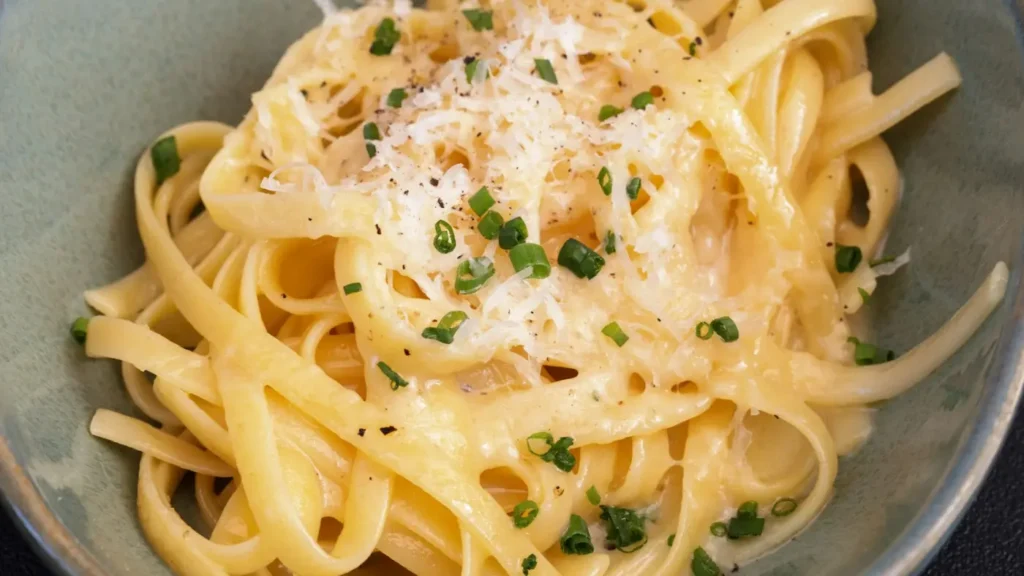
Fettuccine Alfredo is a restaurant favorite that honestly tastes better at home. Ribbons of fettuccine meet butter, Parmigiano-Reggiano and a splash of heavy cream. Then everything turns glossy and smooth in about twenty-five minutes flat.
However, technique matters more than the shopping list. A good Alfredo sauce is an emulsion, so heat control and starchy pasta water decide whether it turns silky or grainy. Fortunately, both are easy to learn.
In this guide, you will learn the Roman original and the American-style version. Next comes a tested recipe card, smart add-ins, safe storage and practical substitutions. As a result, dinner feels genuinely restaurant-quality every time.
Roman Alfredo vs American Cream Alfredo
The dish began in Rome, where Alfredo di Lelio served fettuccine al burro at his restaurant in the early 1900s. He tossed fresh egg pasta with butter and cheese. Diners loved the theatrical tableside tossing.
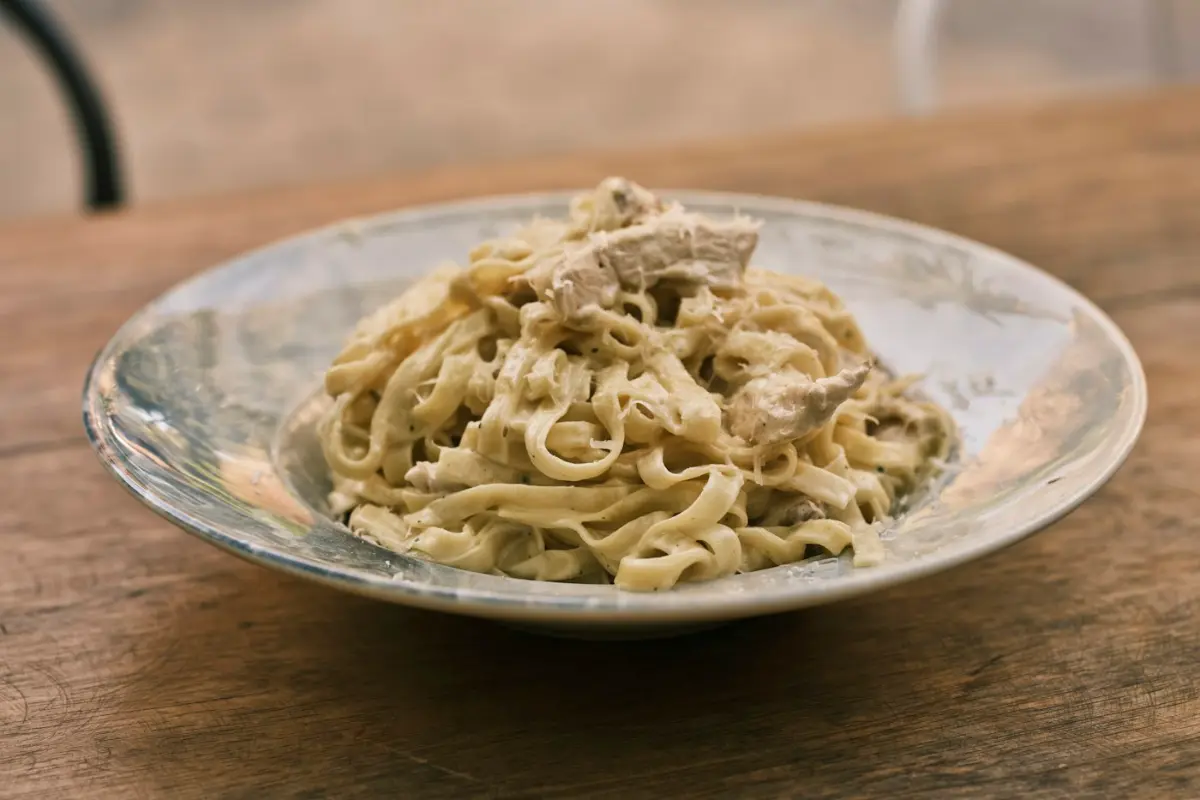
Later, Hollywood stars Douglas Fairbanks and Mary Pickford carried the story home to America. Over time, American restaurants added cream for stability, since cream holds together on a hot pass. Many added garlic and nutmeg.
Neither version is truly wrong; they simply differ. Roman-style Alfredo is light, nutty and best eaten immediately. In contrast, the cream-based style is richer and more forgiving. Our recipe uses a little cream for reliability.
| Feature | Roman (all’Alfredo) | American cream style |
|---|---|---|
| Core ingredients | Fettuccine, butter, Parmigiano-Reggiano, pasta water | Fettuccine, butter, heavy cream, Parmesan, often garlic |
| Texture | Light, silky, clings thinly | Thick, rich, saucy |
| Stability | Best eaten within minutes | Holds longer, reheats better |
| Difficulty | Needs confident tossing | More forgiving for beginners |
Choosing the Right Cheese for Fettuccine Alfredo
Cheese is the backbone of this sauce, so buy well. True Parmigiano-Reggiano carries a PDO stamp and is typically aged at least 12 months. Consequently, its flavor is deep, nutty and crystalline without tasting harsh.
Always grate it yourself on a Microplane or the fine holes of a box grater. Pre-shredded Parmesan contains anti-caking agents such as cellulose, which stop smooth melting. Similarly, shelf-stable canned Parmesan never melts into sauce.
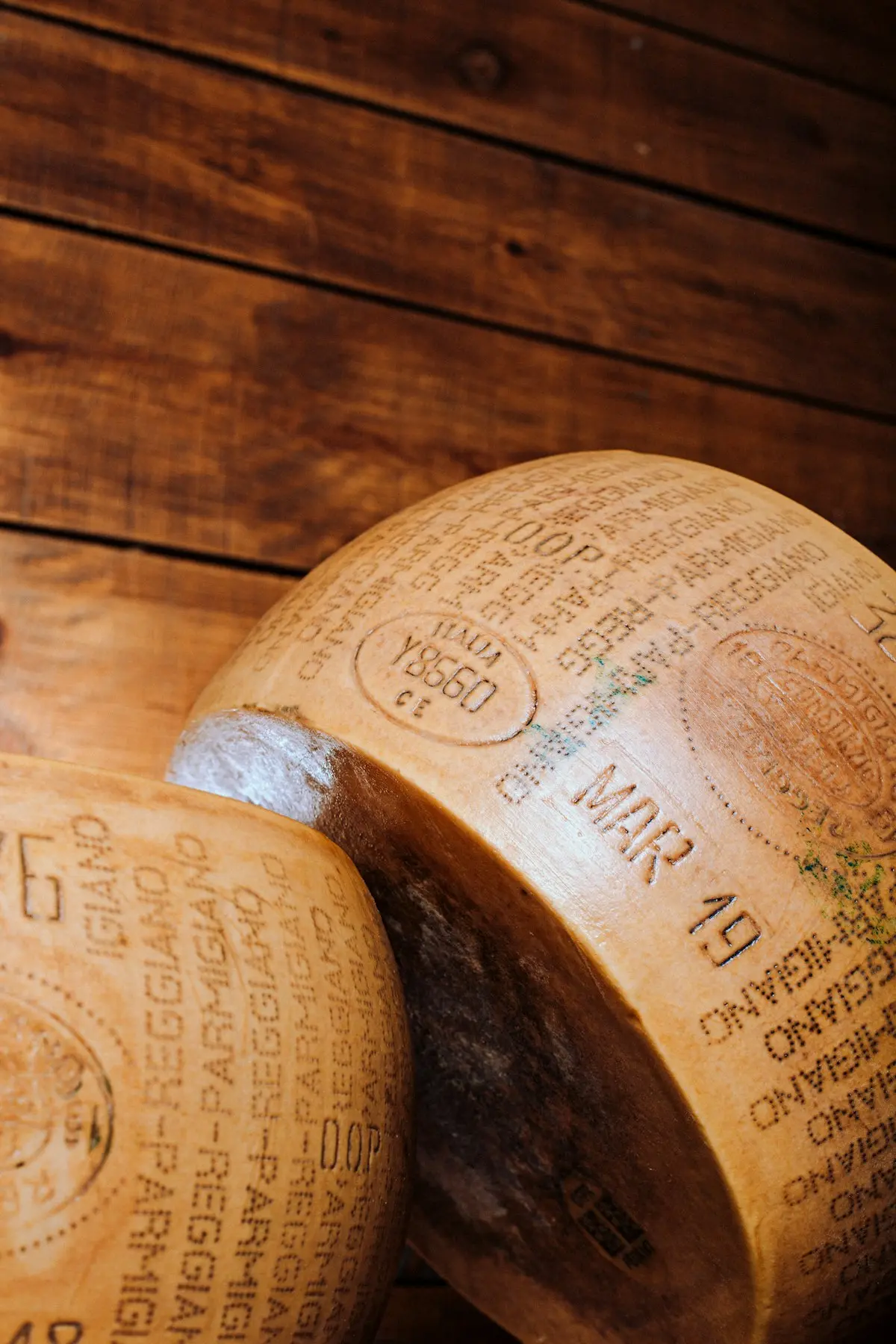
On a budget, Grana Padano is a mild, excellent stand-in. Pecorino Romano works too, but it is saltier, so blend it half and half. Meanwhile, domestic American Parmesan varies widely, so taste a little first.
Why Pasta Water Makes the Sauce Silky
Fat and water normally refuse to mix. However, pasta cooking water carries dissolved starch from the noodles. That starch coats tiny fat droplets from the butter and cheese, keeping them suspended in a stable sauce.
For this reason, salt the pot generously and never pour the water away. Reserve about 1 1/2 cups before draining. Using slightly less water than usual makes it cloudier and more concentrated, which helps binding.
Cream adds its own insurance because it is already an emulsion. Its milk proteins and milkfat surround melting cheese. Therefore, tossing pasta, cream and water together creates the same glossy coating restaurants are known for.
How to Avoid a Grainy or Separated Sauce
Grainy Alfredo almost always comes from too much heat. When cheese gets too hot, its proteins tighten into clumps and squeeze out fat. Then you see oily separation and sandy bits instead of smooth sauce.
To prevent this, take the pan off the burner before adding cheese. Add it in three additions, tossing constantly. In addition, keep a cup of hot pasta water nearby to loosen anything tight or sticky.
If the sauce breaks, there is hope. First, add two tablespoons of warm water or cream off the heat. Then whisk vigorously or toss hard. Usually, the broken sauce comes back together within a minute.
Fettuccine Alfredo Recipe
This recipe serves four and takes about 25 minutes. It uses dried fettuccine for convenience, although fresh pasta cooks faster and grabs sauce beautifully. Either way, have every ingredient measured before the water starts boiling.
Use a 12-inch skillet or a wide sauté pan, because you need room to toss. Tongs move the pasta straight from the pot, so starchy water clings to every strand. That water builds the sauce.
Additionally, warm your plates in a low oven for five minutes. Alfredo thickens as it cools, so warm plates keep it creamy at the table. Finally, serve extra cheese and black pepper on the side.
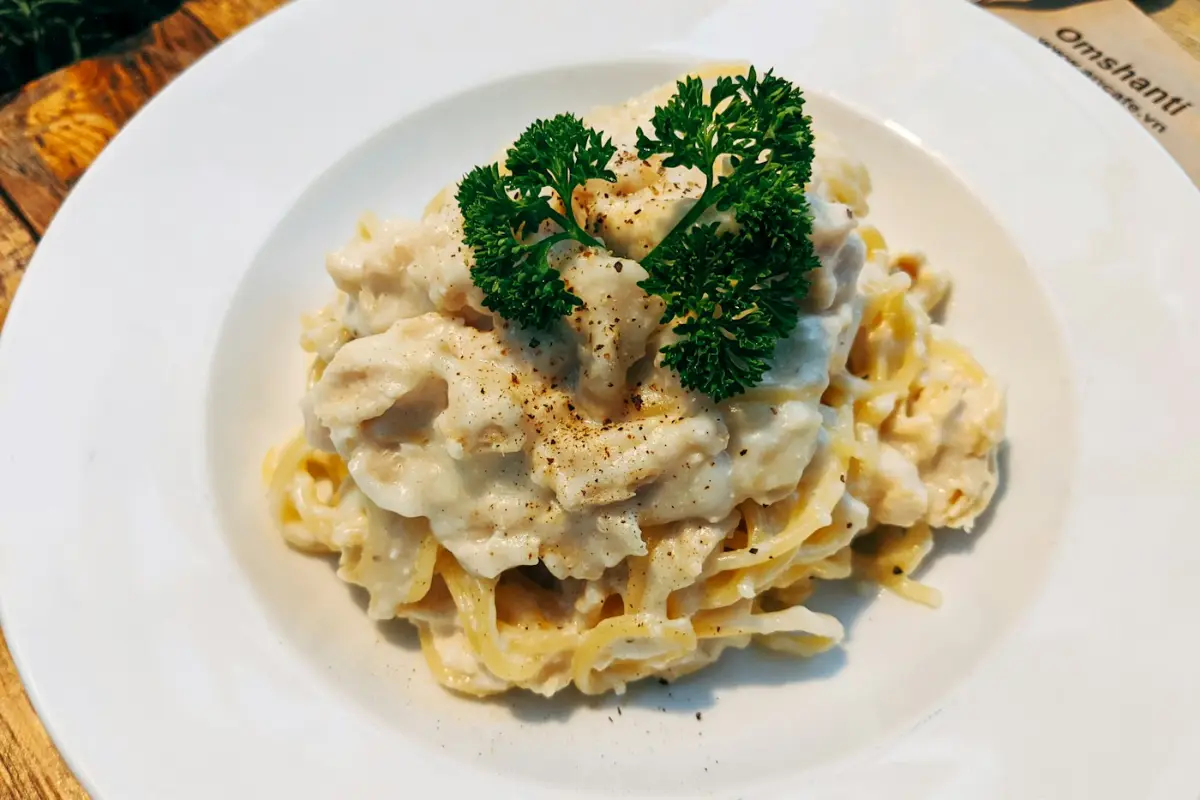
The full ingredient list and step-by-step method are in the recipe card at the end of this page. Here is the approximate nutrition per serving.
| Calories | 870 kcal |
| Fat | 49 g |
| Saturated fat | 30 g |
| Cholesterol | 155 mg |
| Sodium | 620 mg |
| Carbohydrates | 85 g |
| Fiber | 3.5 g |
| Sugar | 4 g |
| Protein | 26 g |
Add-Ins: Chicken, Shrimp and Broccoli
Chicken Alfredo is the most popular upgrade. Pound boneless chicken breast thin, season it and sear until golden. Cook it to 165°F, rest five minutes, then slice it and lay it over the finished pasta.
For shrimp Alfredo, sauté peeled shrimp in a little butter with a sliced garlic clove. They need only two or three minutes per side. Remove them once opaque and pink, then fold them in last.
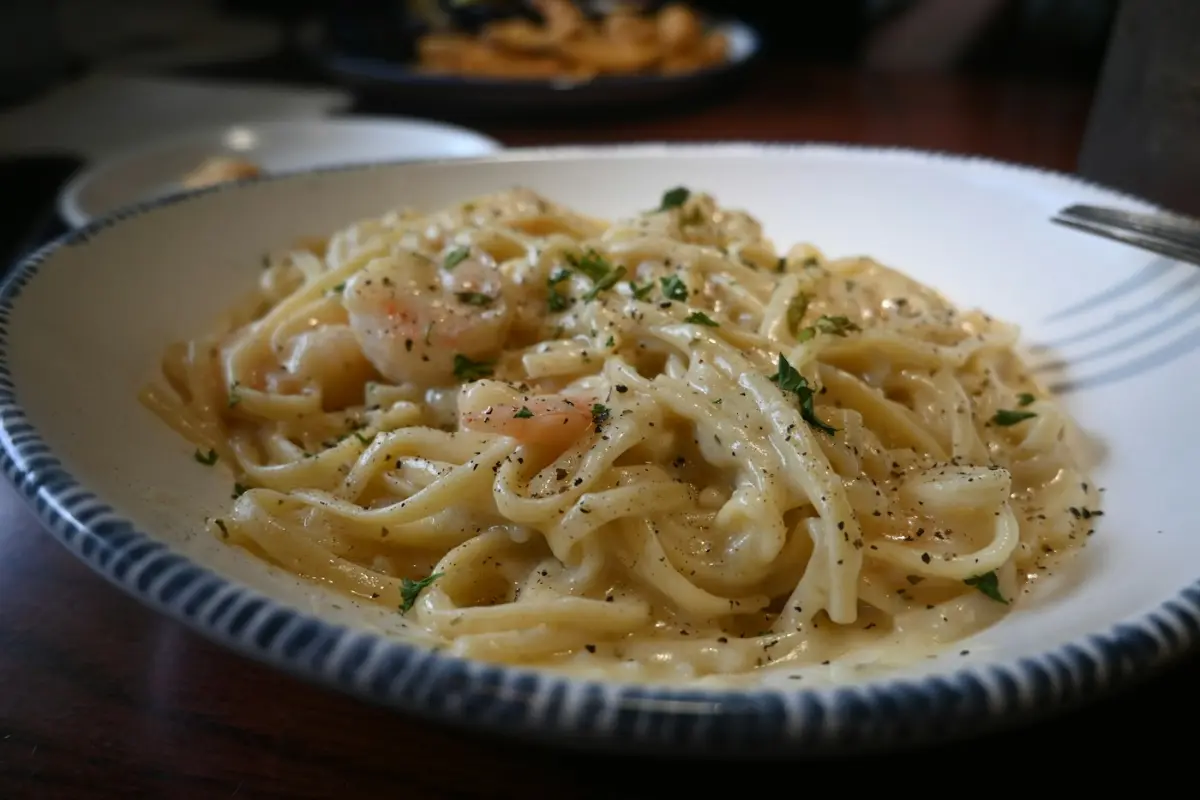
Broccoli florets can simply join the pasta pot during the final three minutes. As a result, you dirty one less pan. Peas, mushrooms, spinach and sun-dried tomatoes also pair well without overpowering the delicate sauce.
Make-Ahead, Storage and Reheating
Honestly, Alfredo is best straight from the skillet. Still, you can make ahead a few parts. Grate the cheese, measure the butter and cream, and keep everything chilled for up to one day before cooking.
Refrigerate leftovers within two hours in a shallow, airtight container. According to USDA leftovers guidance, they keep for 3 to 4 days. Freezing is possible, although cream sauces often turn grainy after thawing, so the texture will not quite match.
To reheat, warm portions gently in a skillet over low heat. Add a splash of milk or water, stirring until it relaxes. For safety, bring leftovers to 165°F, as University of Illinois Extension recommends, especially when chicken or shrimp is included.
Substitutions That Still Work
Missing an ingredient does not have to ruin dinner. Half-and-half can replace heavy cream, although it is thinner and more likely to separate. For that reason, keep the heat even lower than usual with it.
If you have no fettuccine, try tagliatelle, linguine or pappardelle. Long, flat shapes hold the sauce best. Meanwhile, salted butter works if you reduce the added salt and taste just before serving the finished pasta.
For lighter plates, swap part of the cream for pasta water and use extra cheese. On the other hand, gluten-free fettuccine works well but releases less starch. Therefore, add a spoonful of cream for binding.
| Instead of | Use | What changes |
|---|---|---|
| Heavy cream | Half-and-half | Thinner sauce; keep heat very low |
| Heavy cream | Extra pasta water + 2 tbsp butter | Lighter, closer to the Roman style |
| Parmigiano-Reggiano | Grana Padano | Milder, slightly sweeter, melts well |
| Parmigiano-Reggiano | Half Pecorino Romano | Saltier and sharper; cut added salt |
| Unsalted butter | Salted butter | Skip extra salt until you taste |
| Fettuccine | Tagliatelle, pappardelle or linguine | Similar cling; adjust cook time |
| Wheat pasta | Gluten-free fettuccine | Less starch; add a spoonful of cream |
Want a lighter dinner tomorrow? Our pesto pasta swaps cream for basil, while a slow-simmered homemade spaghetti sauce covers red-sauce nights. You can also browse more pasta sauce recipes for fresh ideas.
Fettuccine Alfredo FAQs
Is Authentic Fettuccine Alfredo Made With Cream?
No. The original Roman dish uses only fettuccine, butter, Parmigiano-Reggiano and a little pasta water. Cream became common in American restaurants because it keeps the sauce stable for longer.
Why Is My Alfredo Sauce Grainy?
The cheese got too hot, or it was pre-shredded. Take the pan off the heat before adding cheese, use finely grated Parmigiano-Reggiano, and add it gradually with splashes of pasta water.
Can I Use Pre-Grated Parmesan From a Can?
It is not a good idea. Canned and pre-shredded Parmesan contain anti-caking agents that stop the cheese from melting smoothly, so the sauce often turns gritty or clumpy.
How Long Does Fettuccine Alfredo Last in the Fridge?
Leftovers keep for 3 to 4 days in an airtight container. Refrigerate them within two hours of cooking, and reheat gently to 165°F with a splash of milk or water.
Can I Make Alfredo Sauce Ahead of Time?
You can, but the texture is best fresh. If needed, make the cream base ahead, chill it, then rewarm it gently and add the cheese and hot pasta just before serving.
What Pasta Can I Use Instead of Fettuccine?
Tagliatelle is the closest match. Pappardelle, linguine and even spaghetti also work. Choose long shapes with enough surface area to hold a buttery, cheesy coating.
The recipe
Restaurant-Style Fettuccine Alfredo
Creamy restaurant-style fettuccine Alfredo made with butter, heavy cream, Parmigiano-Reggiano and starchy pasta water. Serves 4.
Ingredients
Instructions
- Boil the water. Bring 4 quarts (3.8 L) of water to a rolling boil in a large pot. Add the kosher salt.
- Start the sauce. Meanwhile, melt the butter in a 12-inch skillet over medium-low heat. Add the heavy cream and simmer gently for 3 to 4 minutes, until slightly reduced. Turn the heat to low.
- Cook the pasta. Cook the fettuccine 1 to 2 minutes less than the package directions, so it stays al dente. Before draining, scoop out 1 1/2 cups of the starchy pasta water.
- Combine. Using tongs, transfer the pasta straight into the skillet. Add 1/2 cup of pasta water and toss for about 1 minute, until the pasta absorbs some of the cream.
- Add the cheese. Take the skillet off the heat. Add the cheese in three additions, tossing constantly between each one. Add splashes of pasta water as needed until the sauce is glossy and coats every strand.
- Season and serve. Season with black pepper, nutmeg and a little salt if needed. Serve immediately on warmed plates, topped with parsley and extra cheese.
Notes
Roman version: skip the cream. Soften 8 tablespoons (113 g) butter in a warm serving bowl, add the hot pasta with 3/4 cup pasta water, then toss in the cheese gradually.
Grate the cheese on a Microplane just before cooking. Pre-shredded cheese will not melt smoothly.
The sauce thickens as it sits. Loosen it with hot pasta water right before serving.
Nutrition is an estimate per serving using dried pasta and no add-ins.