In this guide
- What Is Orzo?
- Three Ways to Cook Orzo
- How to Boil Orzo Like Pasta
- Absorption and Risotto-Style Orzo
- How to Make Baked Orzo
- Toasting Orzo for More Flavor
- How to Season Orzo
- How to Tell When Orzo Is Done
- Storing and Reheating Orzo
- What to Serve With Orzo
- Orzo Troubleshooting
- Lemon Herb Orzo Nutrition
- How to Cook Orzo FAQs
- Printable Recipe Card
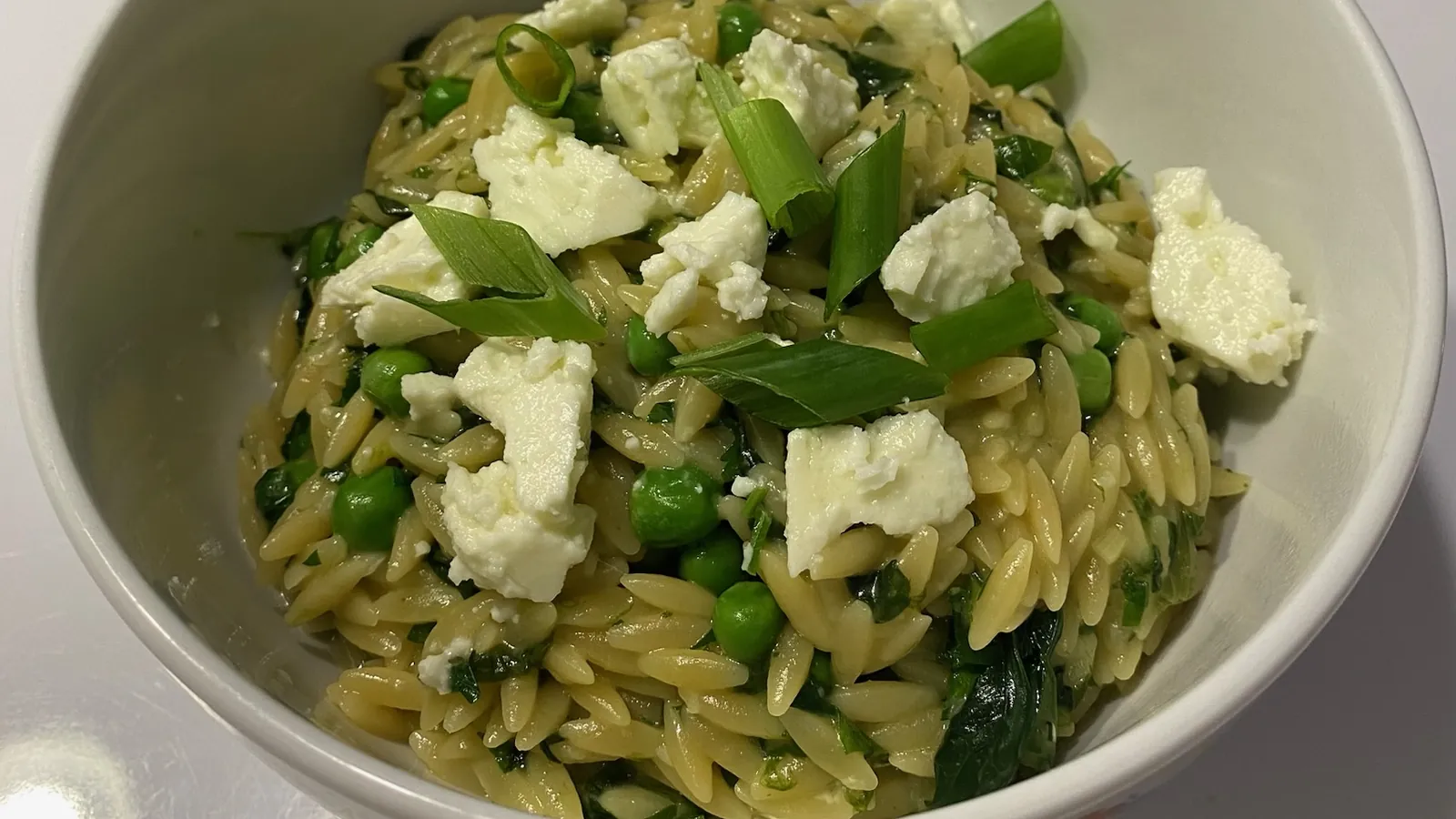
Orzo is a small, rice-shaped pasta that cooks in about 10 minutes and works almost anywhere: in soups, salads, side dishes and creamy one-pot dinners. It is also easy to get wrong. Boil it too long and it turns soft and swollen. Drain it and leave it alone and it sets into a sticky clump.
This guide shows you how to cook orzo three ways, with the ratio, time and texture for each: boiled like pasta, simmered in broth until creamy and baked in the oven. You will also learn when to toast it, how to season it, how to test for al dente and how to store leftovers. The lemon herb orzo recipe at the end serves 4 and takes about 30 minutes.
What Is Orzo?

Orzo is a short pasta shaped like a large grain of rice. It is made from wheat flour, usually durum wheat semolina, the same as most dried pasta. The name is the Italian word for barley, because the shape looks like a barley grain.
Orzo, Risoni and Kritharaki
You may see the same pasta under other names. In Italy it is often sold as risoni, which means “large rice.” In Greece it is kritharaki, or “little barley,” and it goes into soups and baked dishes such as giouvetsi. In Turkey it is called arpa şehriye. The shape and cooking method are the same whatever the label says.
How Orzo Differs From Rice
Orzo looks like rice, but it behaves like pasta. It cooks faster than most long-grain white rice, and it releases wheat starch into the liquid around it. That starch is why orzo can turn creamy like risotto when you cook it in a small amount of broth. It is also why orzo sticks together if you drain it and let it sit.
Because orzo is wheat pasta, it contains gluten. Some brands sell gluten-free orzo made from other flours. Follow the package times for those, since they can soften faster than wheat orzo.
Three Ways to Cook Orzo

There is no single right way to cook orzo. The best method depends on the texture you want and what you plan to do with it. Use the table to pick one, then follow the section below for details.
| Method | Liquid per 1 cup orzo | Time | Texture | Best for |
|---|---|---|---|---|
| Boil like pasta | Plenty of salted water, then drain | 8 to 10 minutes | Loose, separate grains | Salads, soups, tossing with sauce |
| Absorption (pilaf) | 2 cups hot broth, covered | 10 to 12 minutes | Fluffy, lightly creamy | Side dishes like lemon herb orzo |
| Risotto-style | About 2 to 2 1/2 cups hot broth, added in stages | 12 to 15 minutes | Creamy and saucy | Parmesan orzo, mushroom orzo |
| Baked | 2 cups hot broth, covered in the oven | 25 to 30 minutes at 375°F | Tender, set like a casserole | Hands-off dinners with vegetables or cheese |
Which Method Should You Use?
Boil orzo when you want the grains to stay separate, such as in a cold salad, or when you plan to add it to soup or toss it with a sauce. Choose the absorption or risotto-style method when the orzo is the dish itself and you want it to taste of broth. Bake it when you want to put a dish in the oven and walk away.
All three methods start with dry orzo. Measure it with a dry measuring cup and level it off. One cup of dry orzo is enough for about 2 to 3 side servings, so this guide uses 1 1/2 cups for 4 people.
How to Boil Orzo Like Pasta
Boiling is the simplest way to cook orzo and the most forgiving. A big pot of water keeps the grains moving, so they cook evenly and do not stick together. Any extra starch goes down the drain with the water.
Water, Salt and Time
Use about 4 quarts of water per pound of orzo, or about 3 quarts for 1 1/2 cups. Bring it to a full boil and add salt until the water tastes pleasantly salty. Then stir in the orzo.
Most dried orzo takes about 8 to 10 minutes. Brands vary, so check the package and start tasting 2 minutes before the shortest time it gives.
- 01
Boil the water
Bring a large pot of water to a rolling boil over high heat. Salt it well.
- 02
Add the orzo and stir
Pour in the orzo and stir right away. Keep stirring for the first 2 minutes, which is when small pasta is most likely to stick to the bottom of the pot.
- 03
Cook at a steady boil
Let the water return to a boil, then keep it at a lively simmer. Stir every minute or two.
- 04
Taste early
Start tasting 2 minutes before the package time. Pull the orzo when it is tender with a slightly firm center.
- 05
Drain and toss
Drain the orzo in a fine-mesh strainer, since the grains can slip through the holes of a large colander. Toss it right away with sauce, butter or a drizzle of olive oil.
Should You Rinse Orzo?
For a hot dish, do not rinse. The thin layer of starch on the surface helps butter, cheese and sauce cling to the grains. For a cold orzo salad, a quick rinse under cool water stops the cooking and keeps the grains from clumping as they cool. Drain it well, then dress it while it is still slightly damp.
Orzo in Soup
Orzo soaks up liquid as it sits. If you cook it in a pot of soup and store the leftovers, you may find soft, swollen grains and very little broth the next day. For soup you plan to keep, boil the orzo separately and add a scoop to each bowl when you serve it.
Absorption and Risotto-Style Orzo
The absorption method cooks orzo in a measured amount of liquid, so the pasta takes in all of it. Nothing is drained away. That means the orzo absorbs the flavor of the broth, and the starch it releases stays in the pot, giving a softer, creamier result.
The 1 to 2 Ratio
Start with 1 cup of orzo to 2 cups of hot broth. Heating the broth first keeps the pan at a steady simmer when you add it. Cold liquid stops the cooking and can leave the orzo uneven.
This ratio gives fluffy orzo with a light sauce. If you want something looser and more like risotto, keep an extra 1/2 cup of hot broth on hand and add it near the end.
Covered Pilaf Method
This version is mostly hands off. Melt a little butter or oil in a saucepan, toast the orzo for 2 to 3 minutes, then pour in the hot broth and bring it to a boil. Turn the heat to low, cover and simmer for about 10 to 12 minutes. Stir 2 or 3 times so nothing sticks to the bottom. It is ready when the liquid is almost gone and the orzo is tender. The lemon herb orzo recipe below uses this method.
Stirred Risotto-Style Method
For a creamier dish, cook it like risotto. Toast the orzo, then add hot broth about 1/2 cup at a time over medium heat, stirring often. Add more as each addition is mostly absorbed. Orzo needs about 12 to 15 minutes this way. Stirring rubs starch off the surface of the pasta, and that starch thickens the broth into a silky sauce.
Finish off the heat with butter and finely grated Parmesan, then loosen it with a splash of broth. It should flow slowly when you tilt the pan. It thickens as it sits, so serve it right away.
Absorption Orzo in One Pan
The absorption method is also the base for one-pan orzo dinners. Brown chicken, sausage or vegetables first, take them out, then toast the orzo in the same pan and add the broth. Return the other ingredients for the last few minutes. Thick sauces need more liquid, so add hot broth if the pan looks dry before the orzo is tender.
How to Make Baked Orzo
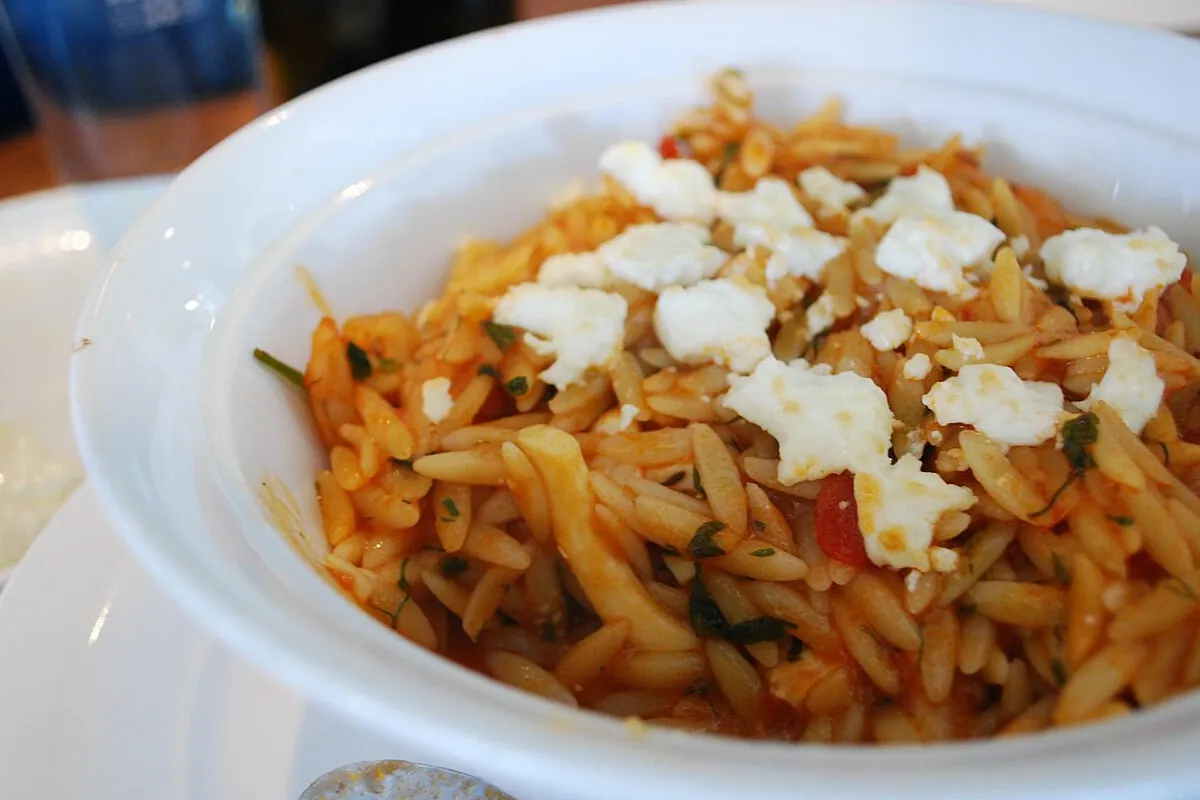
Baked orzo uses the same idea as the absorption method, but the oven does the work. You stir everything together in a baking dish, cover it and bake. Greek cooks have long done something similar with giouvetsi, a dish of orzo and meat or seafood that is traditionally baked in a clay pot.
Ratio, Temperature and Time
Use 1 cup of orzo to 2 cups of hot broth in a baking dish. Cover it tightly with a lid or foil and bake at 375°F for about 20 minutes. Uncover, stir, then check a few grains. If they are tender, top the dish with cheese and bake for 5 to 10 minutes more, until the top is golden. If they are still firm and the dish looks dry, add a splash of hot broth, cover and bake a few minutes longer.
Why You Should Cover the Dish
The cover traps steam, so the orzo cooks evenly from top to bottom. Without it, liquid evaporates from the surface, and the top layer of orzo can stay hard while the bottom turns soft. Remove the cover only at the end, to brown the cheese.
Adding Vegetables, Tomato and Cheese
Baked orzo is a good way to use up vegetables. Cherry tomatoes, zucchini, spinach and roasted peppers all work. Watery vegetables release liquid, so you can hold back a little broth. Crushed tomatoes or tomato sauce count as part of the liquid, but they are thicker than broth, so add an extra 1/4 to 1/2 cup of hot broth when you use them. Feta, mozzarella and Parmesan are all good on top.
Toasting Orzo for More Flavor
Toasting means cooking the dry orzo in a little fat before any liquid goes in. It takes 2 to 3 minutes and adds a nutty, roasted flavor, much like the toasted rice in a pilaf. It works well for the absorption, risotto-style and baked methods.
How to Toast Orzo
- Heat the fat. Melt 1 to 2 tablespoons of butter or olive oil in a wide saucepan over medium heat.
- Add the orzo. Stir to coat every grain in the fat.
- Stir constantly. Keep the orzo moving for 2 to 3 minutes, until some grains turn light golden and it smells nutty.
- Add hot liquid. Pour in the hot broth carefully, since it will bubble and steam hard at first.
When to Skip Toasting
Toasting matters less when you boil orzo in a big pot of water. The flavor washes out, and the extra step does not add much. You can also skip it for very delicate dishes, such as orzo in a light chicken soup. Watch the pan closely if you do toast: orzo goes from golden to burnt in less than a minute, and burnt grains taste bitter.
How to Season Orzo
Orzo has a mild, wheaty taste, so seasoning makes the difference between a plain side and a dish people ask for again. Build flavor in three places: the cooking liquid, the aromatics and the finish.
Season the Cooking Liquid
When boiling orzo, salt the water well. The pasta absorbs some of that salt as it cooks, which seasons it from the inside. When cooking in broth, taste the broth first. Store-bought broth varies a lot in salt, so use a low-sodium broth and add salt yourself. That way you can taste and adjust at the end.
Add Aromatics
Cook a finely chopped shallot or small onion in the fat for a couple of minutes before you toast the orzo. Add minced garlic in the last 30 seconds of toasting so it does not burn. A bay leaf or a strip of lemon peel in the broth adds flavor without much effort. Take it out before serving.
Finish With Fat, Acid and Herbs
Stir in the final flavors off the heat. A tablespoon of butter or good olive oil gives richness. Lemon zest and juice brighten the dish. Finely grated Parmesan or crumbled feta adds salt and depth. Fresh herbs, such as parsley, dill, basil or chives, go in last so they stay green. Taste, then add salt, pepper or more lemon until it tastes bright and balanced.
How to Tell When Orzo Is Done
Small pasta overcooks quickly. One or two extra minutes can take orzo from pleasantly firm to soft and swollen. The only reliable test is to taste it.
The Bite Test
Lift out a spoonful, let it cool for a few seconds and bite a few grains. Al dente orzo is tender all the way through but still has a slight firmness in the center. If you see or feel a chalky white dot in the middle, give it another minute. If it is soft with no resistance at all, it is overcooked.
Plan for Carryover Cooking
Orzo keeps softening after you take it off the heat, especially in a hot pan of sauce or a baking dish. Pull it a little early, when it is just shy of al dente, if it will sit in sauce or go back into the oven. For risotto-style orzo, stop when it is slightly looser than you want. It will thicken by the time it reaches the table.
Cooking Orzo for Salads
For a cold orzo salad, cook it until fully al dente, then rinse it in cool water. Cold pasta feels firmer than warm pasta, so it should not be underdone. Toss it with dressing while it is still slightly warm or freshly rinsed, so it soaks up flavor.
Storing and Reheating Orzo
Cooked orzo keeps well, which makes it a good choice for meal prep. Handle it the same way you would any cooked pasta.
In the Fridge
Cool leftover orzo and refrigerate it within 2 hours of cooking, in a shallow airtight container. USDA advises eating cooked leftovers within 3 to 4 days. Toss plain boiled orzo with a little olive oil before you chill it, so the grains stay separate.
In the Freezer
Plain cooked orzo and baked orzo both freeze well. Spread plain orzo on a sheet pan until cold, then pack it into freezer bags and press out the air. Food kept frozen at 0°F stays safe, but it slowly loses texture. For the best results, use frozen orzo within a few months. Creamy, risotto-style orzo turns grainy after freezing, so it is best eaten fresh or within a few days.
How to Reheat Orzo
Orzo firms up and absorbs any sauce in the fridge. Add a splash of broth or water when you reheat it, then warm it in a covered pan over low heat or in the microwave, stirring once or twice. Reheat leftovers until they are steaming hot, to 165°F (74°C). Stir in a little butter, lemon or fresh herbs to bring back the flavor.
What to Serve With Orzo
Orzo can be a side dish, a salad or the main event. Here are a few ways to use it, with recipes from our kitchen that pair well.
As a Side Dish
Lemon herb orzo is a simple side for grilled chicken, fish or roasted vegetables. It is also a natural match for seafood. Serve it under the garlicky shrimp from our shrimp pasta, or toss boiled orzo with the butter sauce from our garlic butter pasta in place of spaghetti.
In Salads
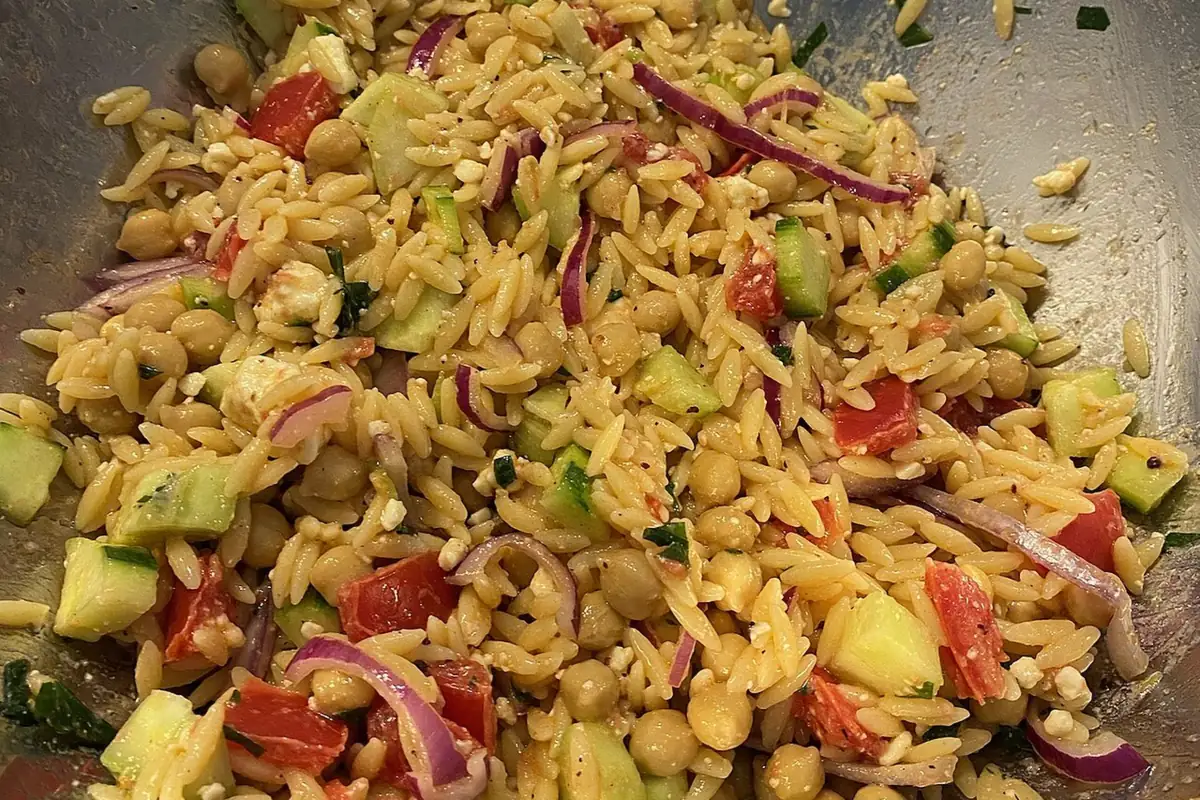
Orzo salad keeps well and travels well, which makes it good for lunches and potlucks. Combine boiled, rinsed orzo with chopped cucumber, tomatoes, red onion, olives and feta. The Italian vinaigrette and make-ahead tips in our pasta salad recipe work here too. Dress the orzo lightly at first and add more before serving, since it soaks up dressing as it sits.
With Sauces
Small pasta catches sauce in every spoonful. Toss hot orzo with basil pesto from our pesto pasta and a splash of cooking water. For a tomato version, stir it into our homemade spaghetti sauce and top it with mozzarella.
Quick Orzo for One
Cooking a single portion? Small shapes such as orzo cook well in a bowl in the microwave. Our guide to how to cook pasta in the microwave covers the water level, timing and how to stop it boiling over.
For more ideas, browse our full collection of pasta recipes.
Orzo Troubleshooting

Most orzo problems come down to timing, the amount of liquid or what happens after cooking. Find your problem in the table for the likely cause and the fix.
| Problem | Likely cause | Fix |
|---|---|---|
| Mushy or bloated | Cooked too long; left sitting in hot liquid or soup | Taste 2 minutes early; drain promptly; store orzo and soup separately |
| Stuck together in a clump | Too little water; not stirred early; drained and left to sit | Use plenty of water, stir in the first 2 minutes and toss with oil or sauce right away |
| Stuck to the bottom of the pan | Heat too high during absorption; not stirred | Simmer on low and stir 2 or 3 times; use a heavy pan |
| Crunchy or chalky center | Liquid evaporated too fast; pulled too early | Add 1/4 cup hot broth, cover and cook 2 to 3 minutes more |
| Dry baked orzo | Dish not covered; thick sauce used as liquid | Cover tightly; add extra hot broth with tomato sauce |
| Gluey risotto-style orzo | Overcooked; left to sit before serving | Stop when slightly loose, add a splash of broth and serve right away |
| Bland flavor | Unsalted water; plain water instead of broth | Salt the water; use broth; finish with lemon, cheese and herbs |
Rescuing Overcooked Orzo
You cannot make soft orzo firm again, but you can change how you serve it. Spread overcooked orzo on a sheet pan to stop the cooking, then use it in soup or bake it into a casserole with cheese, where a softer texture works.
Lemon Herb Orzo Nutrition
These figures are approximate. They were calculated from ingredient values in the USDA’s FoodData Central database, divided into 4 servings. The estimate uses 255 g of dry enriched pasta, 2 tablespoons of butter, 1 tablespoon of olive oil, 1 shallot, 2 garlic cloves, 3 cups of chicken broth, 3 tablespoons of lemon juice, 40 g of grated Parmesan and 20 g of parsley. Other fresh herbs and black pepper add very little. Sodium is not listed because it depends on your broth and how much salt you add.
| Nutrient | Amount | Main sources |
|---|---|---|
| Calories | About 385 | Orzo, butter, oil and Parmesan |
| Protein | About 13 g | Orzo and Parmesan |
| Carbohydrate | About 53 g | Orzo |
| Fat | About 13 g | Butter, olive oil and Parmesan |
| Saturated fat | About 6 g | Butter and Parmesan |
| Fiber | About 3 g | Orzo, shallot and parsley |
| Potassium | About 270 mg | Orzo, shallot and parsley |
The fat and cheese change the numbers the most. Each tablespoon of butter adds about 100 calories, based on USDA values. Plain boiled orzo, with no butter, oil or cheese, is lower in fat and calories.
How to Cook Orzo FAQs
How much water do you need to cook orzo?
It depends on the method. To boil orzo like pasta, use plenty of salted water, about 4 quarts per pound, and drain it when done. To cook it by absorption, use about 2 cups of hot broth or water for every 1 cup of dry orzo, so the pasta soaks up all the liquid and nothing is drained.
How long does orzo take to cook?
Most dried orzo takes about 8 to 10 minutes in boiling water. The covered absorption method takes about 10 to 12 minutes, and stirred risotto-style orzo takes 12 to 15 minutes. Baked orzo needs about 25 to 30 minutes at 375°F. Brands vary, so check the package and start tasting a couple of minutes early.
Can you cook orzo like rice?
Yes. Use the absorption method: toast 1 cup of orzo in a little butter or oil, add 2 cups of hot broth, cover and simmer on low for about 10 to 12 minutes. Unlike rice, orzo releases wheat starch, so stir it 2 or 3 times to stop it sticking. It turns out slightly creamier than rice.
Should you rinse orzo after cooking?
Rinse orzo only for a cold salad. A quick rinse under cool water stops the cooking and keeps the grains from clumping as they cool. For hot dishes, skip rinsing. The thin layer of starch on the surface helps butter, cheese and sauce cling to the pasta, which gives a better finished dish.
Why is my orzo sticky?
Orzo turns sticky when it cooks in too little water, is not stirred in the first couple of minutes or is drained and left to sit. The surface starch dries and glues the grains together. Use a large pot of water, stir early and toss the drained orzo right away with olive oil, butter or sauce.
Is orzo pasta or rice?
Orzo is pasta. It is made from wheat flour, usually durum wheat semolina, and shaped to look like a large grain of rice. The name is the Italian word for barley. Because it is wheat pasta, regular orzo contains gluten, although some brands make gluten-free orzo from other flours.
How do you store and reheat cooked orzo?
Refrigerate cooked orzo within 2 hours in a shallow airtight container and eat it within 3 to 4 days. Toss plain orzo with a little oil first so it stays loose. To reheat, add a splash of broth or water, cover and warm it on the stove or in the microwave until it reaches 165°F.
The recipe
Lemon Herb Orzo
Toasted orzo simmered in broth until tender, then finished with lemon, Parmesan and fresh herbs. A bright, creamy side dish for 4 in about 30 minutes.
Ingredients
Instructions
- Prep and heat the broth. Zest and juice the lemon, chop the herbs and grate the cheese. Warm the broth in a small saucepan or the microwave until steaming, and keep it hot.
- Soften the shallot. Melt the butter with the olive oil in a 3-quart saucepan over medium heat. Add the shallot and a pinch of salt and cook for about 2 minutes, until soft but not browned.
- Toast the orzo. Add the orzo and stir constantly for 2 to 3 minutes, until some grains turn light golden and it smells nutty. Add the garlic and stir for 30 seconds.
- Simmer in broth. Carefully pour in the hot broth and bring it to a boil. Reduce the heat to low, cover and simmer for 10 to 12 minutes, stirring 2 or 3 times, until the liquid is almost absorbed and the orzo is al dente.
- Finish off the heat. Take the pan off the heat. Stir in the lemon zest, 2 tablespoons of the lemon juice, the Parmesan and the herbs. Add a splash of hot broth or water if it looks thick.
- Season and serve. Taste and add salt, pepper and more lemon juice as needed. Let it stand for 2 minutes, then serve with extra Parmesan.
Notes
Risotto-style: for a creamier, looser orzo, cook uncovered over medium heat and add the hot broth 1/2 cup at a time, stirring often, for 12 to 15 minutes. Keep an extra 1/2 cup of broth on hand. Vegetarian: use vegetable broth and a vegetarian hard cheese. Add-ins: stir in baby spinach, peas or chopped roasted vegetables with the lemon. Leftovers keep for 3 to 4 days in the fridge; add a splash of broth and reheat to 165°F (74°C). Approximate nutrition per serving, calculated from USDA ingredient data: about 385 calories, 13 g protein, 53 g carbohydrate and 13 g fat.