In this recipe
- Why This Garlic Butter Pasta Works
- The 5 Ingredients
- How to Cook Garlic Without Burning It
- Best Pasta Shapes for Garlic Butter Pasta
- How to Make Garlic Butter Pasta
- Why Pasta Water Makes the Sauce
- How to Add Parmesan Without Clumps
- Variations: Lemon, Chili, Chicken and Shrimp
- Common Garlic Butter Pasta Mistakes
- Storage and Reheating
- Garlic Butter Pasta Nutrition
- Garlic Butter Pasta FAQs
- Printable Recipe Card
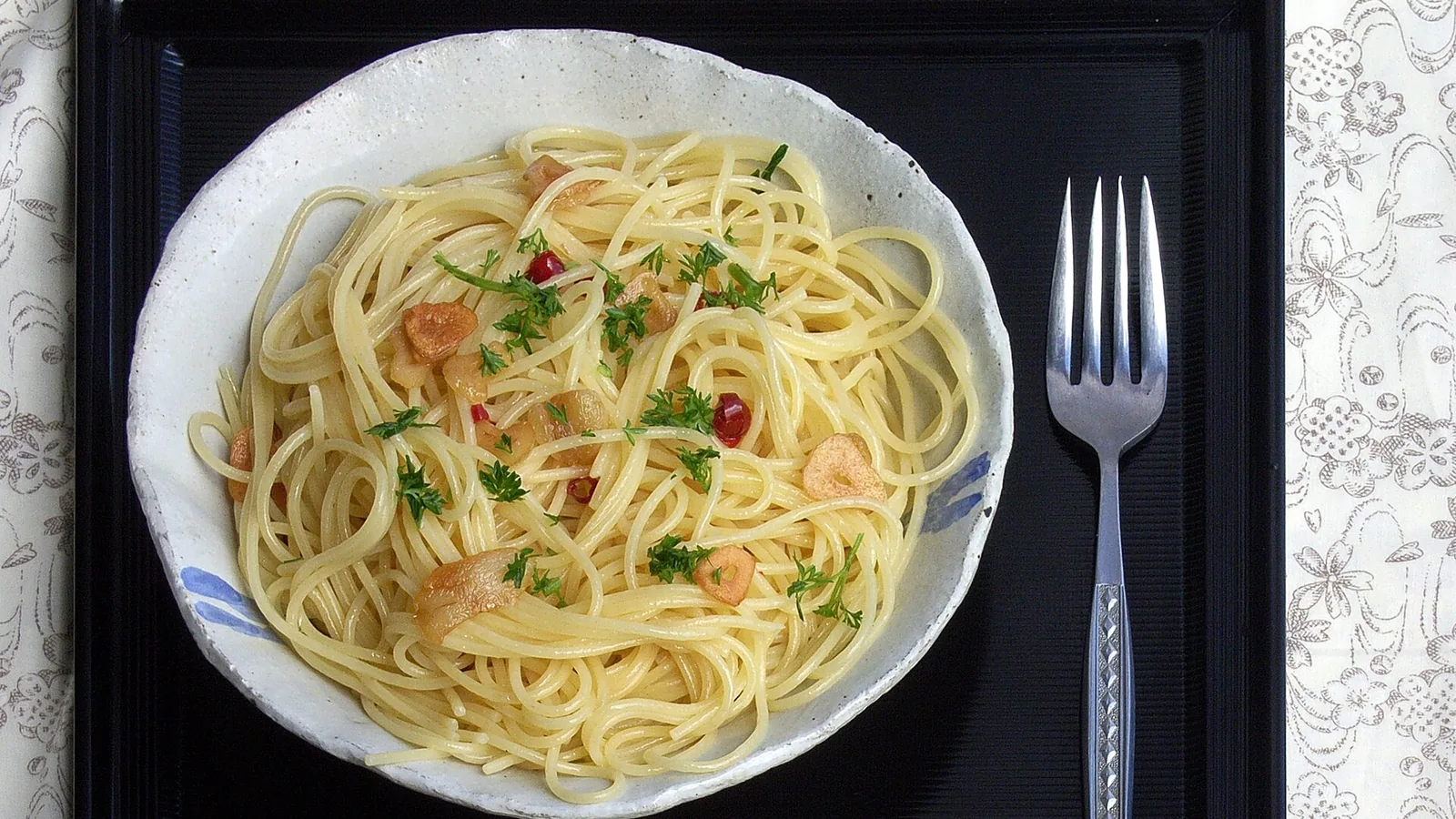
This garlic butter pasta uses five ingredients: spaghetti, butter, garlic, Parmesan and parsley. Salt, black pepper and a cup of the pasta cooking water also go in, but nobody needs to shop for those, so they are not counted. It serves 4 and takes about 20 minutes, and most of that time is the water coming to a boil.
The method is simple, but two details decide whether it turns out silky or greasy. First, the garlic cooks gently in butter until pale gold, never brown. Second, starchy pasta water and cold butter get tossed hard with the noodles. That turns melted butter into a sauce that clings to every strand.
Below: what each ingredient does, a garlic color guide, the best pasta shapes, a step-by-step method, how to add Parmesan without clumps, easy variations with lemon, chili, chicken or shrimp, and how to store leftovers safely.
Why This Garlic Butter Pasta Works
Garlic butter pasta is a cousin of two Italian classics. It borrows the gently cooked garlic of spaghetti aglio e olio and the butter and cheese of pasta al burro. The result is rich, savory and ready faster than a takeout order. Three habits make it reliable.
- The garlic cooks low and slow. Medium-low heat gives it time to soften and turn sweet. High heat browns the outside before the inside cooks, and browned garlic tastes bitter.
- The butter goes in twice. A little melted butter carries the garlic flavor. Cold butter added at the end, with pasta water, builds the creamy sauce.
- The cheese goes in off the heat. Parmesan melts smoothly into a warm sauce. Over direct heat it tightens into rubbery clumps.
The sauce looks almost creamy, yet there is no cream in it. If you want a richer, cream-based version, our fettuccine Alfredo builds on the same butter and Parmesan base.
The 5 Ingredients
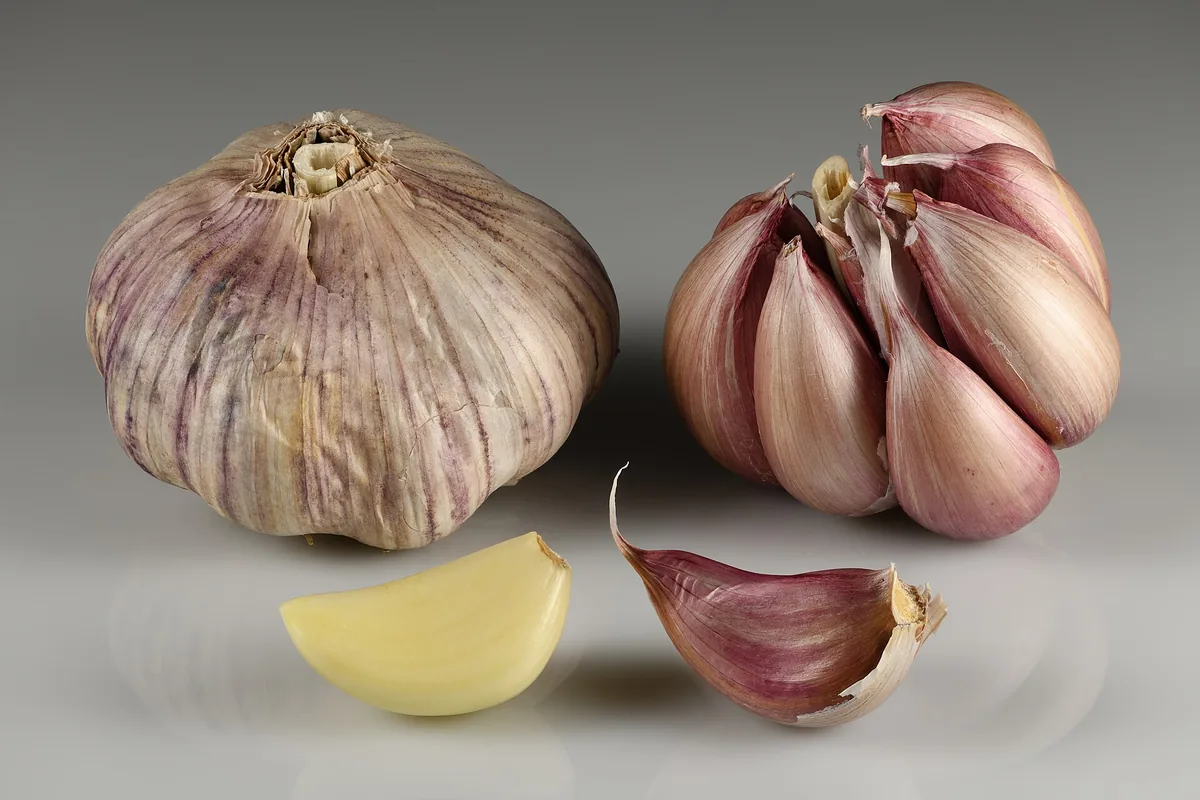
Each ingredient has a clear job. With so few of them, quality shows, so buy the best Parmesan and the freshest garlic you can.
- Pasta: 12 ounces (340 g). Dried spaghetti or linguine is ideal. Bronze-cut pasta has a rougher surface that helps the sauce cling, but any good dried pasta works.
- Butter: 6 tablespoons (85 g). Use unsalted so you control the salt. Cut it into pieces and keep 4 tablespoons in the fridge until the end, because cold butter emulsifies more smoothly.
- Garlic: 8 cloves. Slice them thinly for soft, sweet chips of garlic, or mince them for flavor in every bite. Fresh cloves taste far better than jarred.
- Parmesan: 2 ounces (56 g). Buy a wedge of Parmigiano Reggiano and grate it on a fine rasp. Pre-grated cheese in a shaker often contains anti-caking agents and melts less smoothly.
- Parsley: 1/4 cup (15 g), chopped. Flat-leaf parsley adds color and a fresh, green note that cuts the richness. Basil or chives work too.
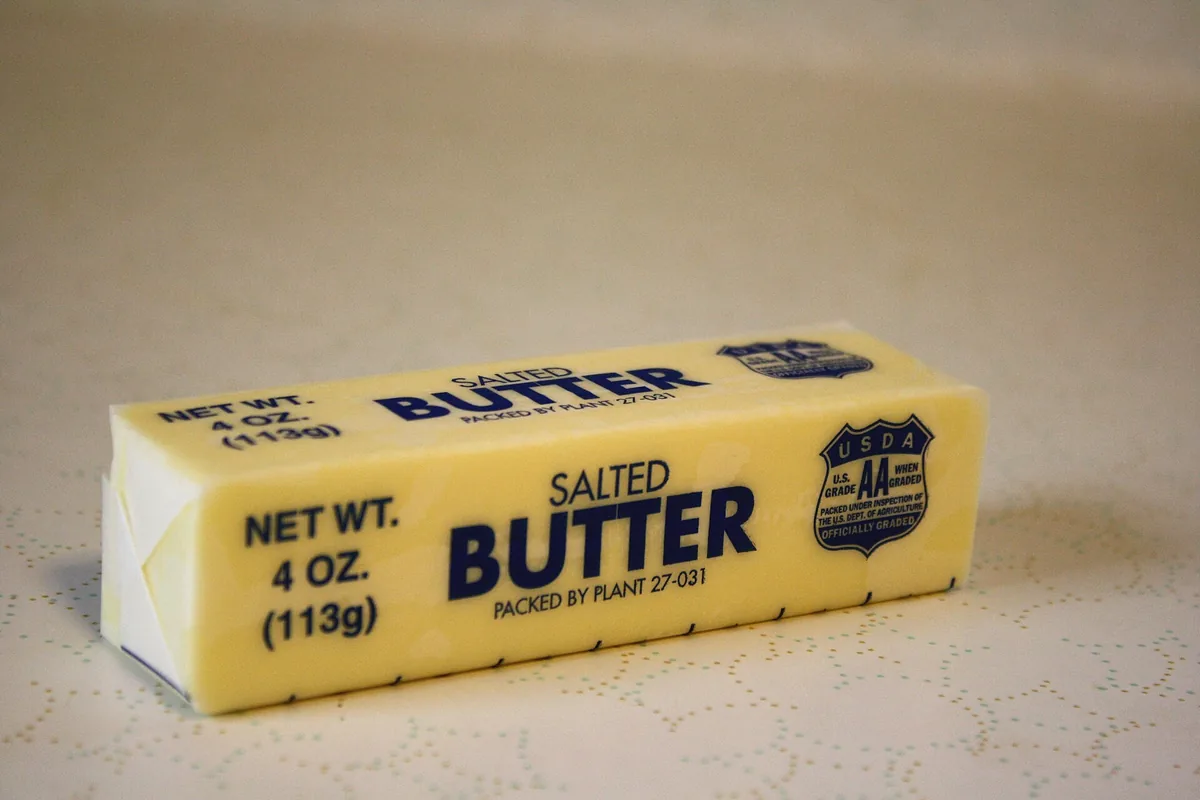
What does not count: kosher salt for the pasta water, black pepper at the end and about 1 cup of reserved pasta water. They are pantry basics rather than shopping-list items, but the dish needs all three.
How to Cook Garlic Without Burning It

Garlic is the whole point of this dish, and it is also the easiest thing to ruin. Thin slices and minced garlic can go from golden to burnt in seconds once they start to color. Burnt garlic tastes harsh and bitter, and that bitterness spreads through the butter. There is no fixing it.
- Start with a moderate pan. Melt the butter over medium-low heat. Add the garlic while the butter is just foaming, not browning.
- Stir constantly. Keep the garlic moving so no piece sits on a hot spot. Minced garlic needs even more attention than slices.
- Watch the color, not the clock. As a guide, it takes about 2 to 3 minutes to turn soft and pale gold. Pull it the moment it smells sweet and nutty.
- Stop the cooking with pasta water. A splash of pasta water drops the temperature instantly. That is why the garlic goes in a few minutes before the pasta is ready.
If the garlic turns brown and smells acrid, wipe out the pan and start again. Eight cloves and two tablespoons of butter cost far less than a bitter dinner.
| Stage | What you see | What you smell | What to do |
|---|---|---|---|
| Raw | Ivory, firm | Sharp and hot | Keep stirring |
| Pale gold | Soft, faintly golden edges | Sweet and nutty | Add pasta water now |
| Golden | Even honey color, slightly crisp | Toasty | Take the pan off the heat |
| Burnt | Brown to dark brown | Acrid and bitter | Start over with fresh garlic |
Best Pasta Shapes for Garlic Butter Pasta
A butter sauce is thin and glossy. It suits pasta that it can coat in a fine, even film.
| Shape | How it works here | Best for |
|---|---|---|
| Spaghetti | Coats evenly and twirls well | The classic version |
| Linguine | Flat strands hold a little more sauce | Shrimp or lemon versions |
| Bucatini | Thick and chewy, with a hollow center | Extra butter and cheese |
| Fettuccine | Wide ribbons for a richer bite | Chicken or a splash of cream |
| Angel hair | Very fast, but clumps if it sits | Only with extra pasta water |
| Penne or fusilli | Catches bits of garlic and herbs | Kids, lunch boxes and add-ins |
Check the package time before you start. This recipe assumes pasta that cooks in about 9 to 10 minutes. Thicker shapes take longer, so start the garlic a little later.
How to Make Garlic Butter Pasta
The total is about 20 minutes: around 10 minutes for the water to boil while you prep, then about 10 minutes of cooking. The garlic and sauce come together in the last few minutes of the pasta’s cooking time.
- 01
Put the water on first
Fill a large pot with 4 quarts of water, add 1 tablespoon of kosher salt and cover it. Set it over high heat. While it heats, slice or mince the garlic, grate the Parmesan, chop the parsley and cut the butter into pieces. Put 4 tablespoons of the butter back in the fridge.
- 02
Cook the pasta
Add the pasta to the boiling water and stir for the first 30 seconds so it does not stick. Cook until 1 minute short of the package time, because it finishes in the skillet. Before draining, scoop out 1 cup of the cloudy pasta water.
- 03
Cook the garlic gently
About 4 minutes before the pasta is ready, melt 2 tablespoons of butter in a large skillet over medium-low heat. Add the garlic and stir often for 2 to 3 minutes, until it is soft, fragrant and pale gold. Do not let it brown.
- 04
Stop the garlic with pasta water
Pour 1/2 cup of the pasta water into the skillet. It will sizzle, then settle into a cloudy, buttery liquid. Keep the heat at medium-low.
- 05
Toss with the cold butter
Lift the pasta into the skillet with tongs, or drain it and add it. Add the remaining 4 tablespoons of cold butter. Toss hard for 1 to 2 minutes, until the butter melts into a glossy sauce that coats each strand.
- 06
Add the Parmesan off the heat
Take the pan off the burner. Add the Parmesan a handful at a time, tossing after each addition. If the sauce tightens or looks sticky, add more pasta water a tablespoon or two at a time.
- 07
Finish and serve
Toss in the parsley and a generous grind of black pepper. Taste before adding salt, because the pasta water and cheese are already salty. Serve right away, with extra Parmesan at the table.
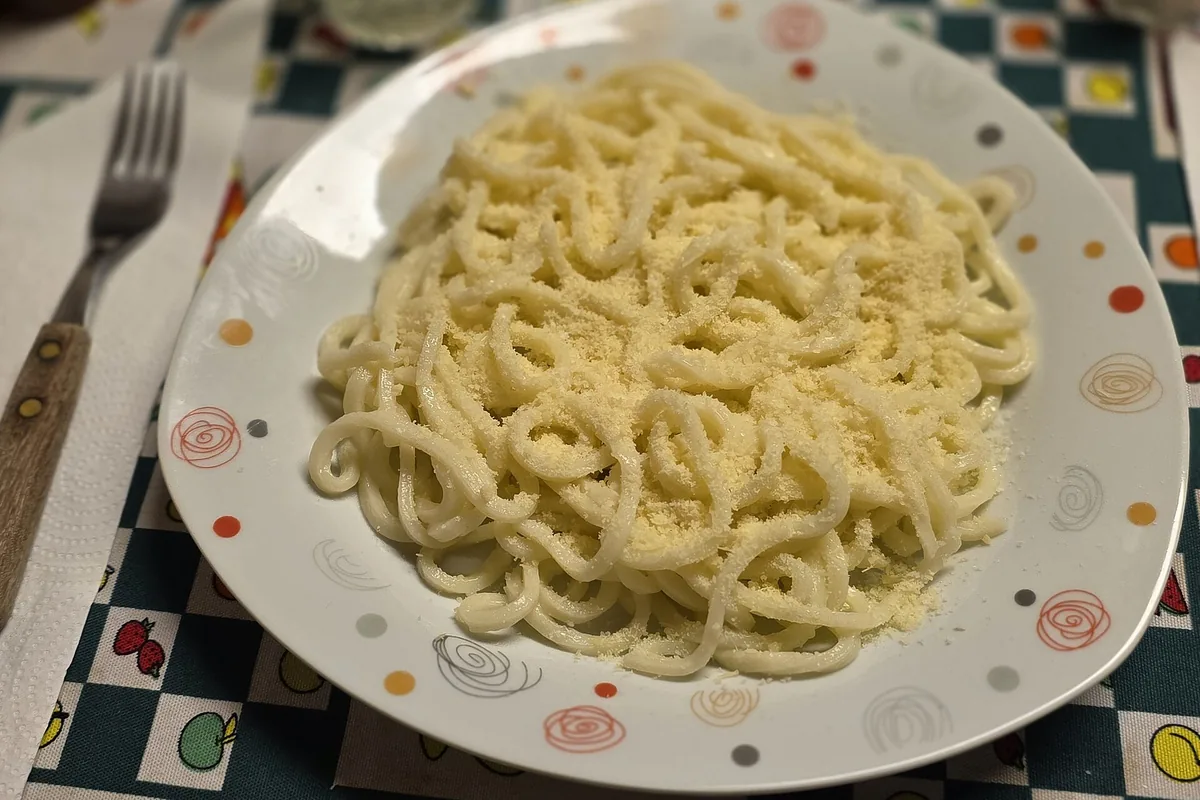
Buttered noodles with finely grated cheese, the simplest relative of this recipe. Fine grating helps cheese melt instead of clumping. Photo: Horacio Cambeiro, CC BY-SA 3.0, via Wikimedia Commons (cropped)
The garlic waits for the pasta, never the other way around. If the garlic is ready too early, take the pan off the heat and add the pasta water early. Cooking for one at work or in a dorm? Our guide to cooking pasta in the microwave handles the noodles, and the garlic butter takes 3 minutes in a small pan.
Why Pasta Water Makes the Sauce
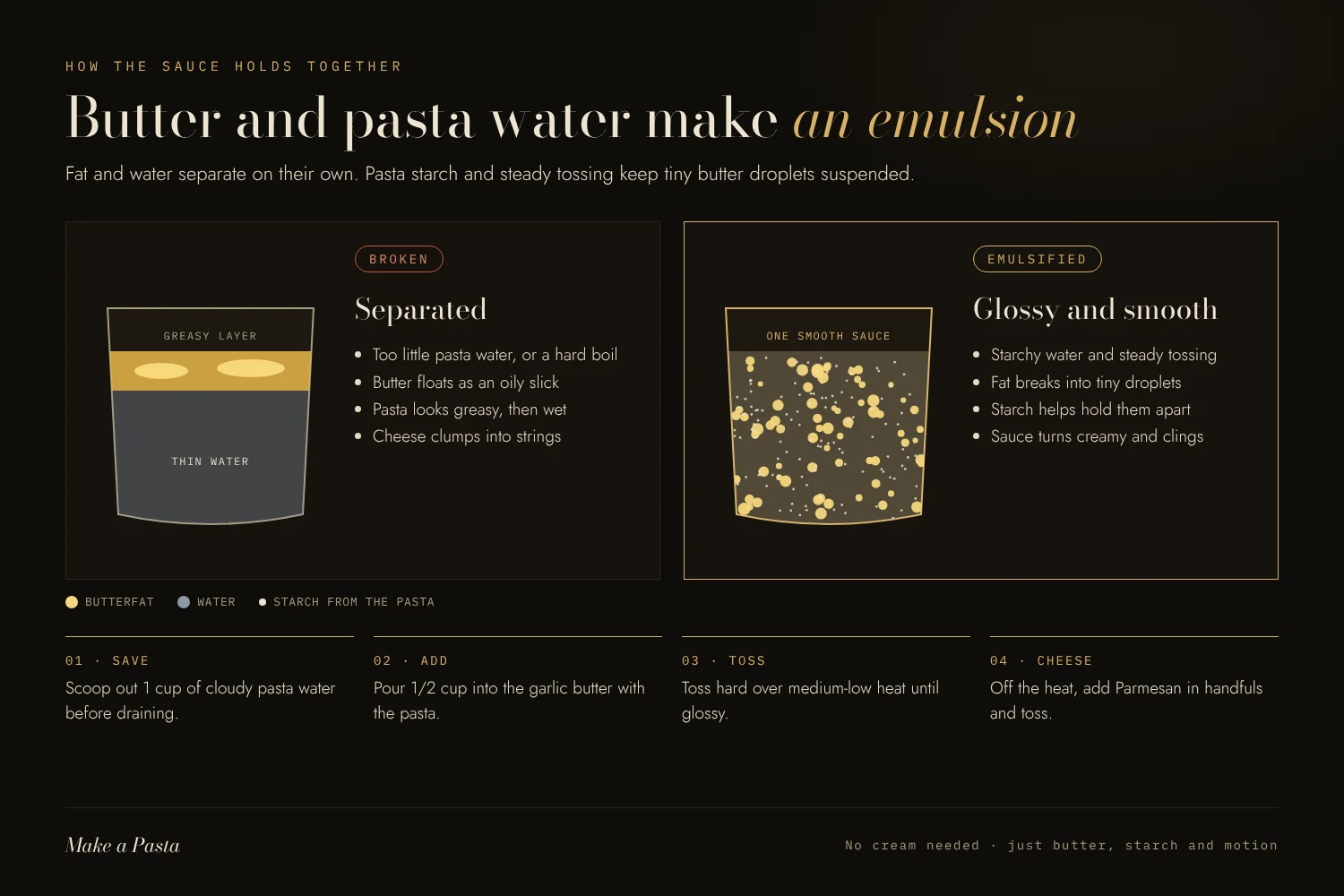
Melted butter and water do not mix on their own. Without help, the butterfat floats, the water pools and the pasta ends up greasy on top and wet underneath. Pasta water fixes that.
As pasta boils, it releases starch into the water. When you toss that starchy water with butter, the starch helps keep tiny droplets of fat suspended in the liquid. The result is an emulsion: a smooth, slightly thick sauce that clings to the pasta instead of sliding off.
- Save more than you need. Scoop out a full cup. You can always add more, but once it goes down the drain it is gone.
- Add the butter cold. Cold butter melts gradually into the hot liquid, which helps it emulsify instead of turning oily.
- Keep the heat moderate. Medium-low heat and constant tossing build the sauce. A hard boil after the butter goes in can split it.
- Toss with energy. Motion breaks the butter into small droplets. Use tongs and lift the pasta, rather than just stirring.
The same trick makes a silky pesto pasta and keeps a cheese sauce for pasta smooth. If the finished dish sits and tightens, loosen it with another splash of pasta water just before serving.
How to Add Parmesan Without Clumps
Stringy, clumpy cheese is the most common complaint with garlic butter pasta. It happens when cheese meets too much heat or too little liquid. The proteins tighten and squeeze out fat, and the cheese clumps together instead of melting into the sauce.
- Grate it finely. A fine rasp grater makes light, fluffy cheese that melts almost on contact. Coarse shreds melt unevenly.
- Take the pan off the heat. The pasta and sauce are hot enough to melt Parmesan without the burner.
- Add it gradually. Sprinkle in a handful, toss, then add the next. Dumping it all in at once creates one large clump.
- Keep it loose. Have pasta water ready. Cheese thickens the sauce as it melts, so it needs a little extra liquid.
- Skip the shaker can. Pre-grated cheese in a shaker often contains anti-caking agents, and it rarely melts as smoothly as freshly grated cheese.
The same low-heat approach works for any cheese-based sauce. Gentle heat and enough liquid are what keep it smooth.
Variations: Lemon, Chili, Chicken and Shrimp
The base recipe is a template. Each change below fits into the same method without changing the timing much.
Lemon Garlic Butter Pasta
Zest one lemon over the pasta with the parsley, then add 1 to 2 tablespoons of lemon juice during the final toss. Add the juice gradually and taste as you go. Lemon brightens the butter and makes the dish taste lighter.
Spicy Garlic Butter Pasta

Add 1/2 teaspoon of red pepper flakes to the butter with the garlic, or more if you like heat. Sliced fresh red chili works too. Chili flakes toast quickly, so they follow the same rule as the garlic: low heat and constant stirring.
Garlic Butter Chicken Pasta
Season 1 pound of thinly sliced chicken breast with salt and pepper. Sear it in a little oil until cooked through, then set it aside before you cook the garlic. The USDA safe minimum for chicken is 165°F (74°C). Add the chicken back for the final toss. For a bolder, spicier chicken pasta, try our rasta pasta.
Garlic Butter Shrimp Pasta
Sear 1 pound of large raw shrimp for 1 to 2 minutes per side, then set them aside and add them back at the end. Our full garlicky shrimp pasta recipe covers shrimp sizes, thawing and a clear doneness guide.
Creamy Garlic Butter Pasta
Add 1/2 cup of heavy cream after the garlic and simmer it for a minute before adding the pasta. Reduce the pasta water slightly. For more cream-based options, see our creamy pasta sauce with five easy variations.
Other easy add-ins: a few handfuls of baby spinach tossed in with the pasta, frozen peas added to the pot for the last 2 minutes, or toasted breadcrumbs scattered on top for crunch. Find more weeknight ideas in our pasta recipes.
Common Garlic Butter Pasta Mistakes
| Problem | Likely cause | Fix |
|---|---|---|
| Bitter taste | The garlic browned or burned | Cook it on medium-low and stop at pale gold |
| Greasy, separated sauce | Not enough pasta water, or the sauce boiled | Add pasta water off high heat and toss hard |
| Clumpy, stringy cheese | Cheese added over heat, or grated too coarsely | Grate finely and add it off the heat in handfuls |
| Dry, sticky pasta | The pasta absorbed the sauce as it sat | Loosen with a splash of pasta water just before serving |
| Bland flavor | Unsalted pasta water | Salt the water well and season with pepper at the end |
| Too salty | Salted butter plus salty pasta water and cheese | Use unsalted butter and taste before seasoning |
| Mushy pasta | Cooked to full package time before the toss | Drain 1 minute early; it finishes in the skillet |
The most common mistake is cooking the garlic over heat that is too high. If you only change one thing, turn the burner down before the garlic goes in.
Storage and Reheating
Garlic butter pasta is best eaten right away, while the sauce is glossy. Leftovers still make a good lunch with a little care. The USDA advises refrigerating leftovers within 2 hours of cooking, or within 1 hour if the room is above 90°F. Use shallow airtight containers so the pasta cools quickly.
According to the USDA’s leftovers and food safety guidance, refrigerated leftovers keep for 3 to 4 days. Reheat them until hot all the way through, to 165°F (74°C).
To reheat on the stove, warm the pasta in a skillet over medium-low heat with 1 to 2 tablespoons of water per serving. Toss until hot and glossy again. In the microwave, cover the bowl loosely and heat in short bursts, stirring between each, so the butter does not separate.
Freezing is possible but not ideal. Leftovers stay safe in the freezer, but the pasta softens and the butter sauce tends to turn greasy when thawed. If you want to get ahead, slice the garlic and grate the cheese earlier in the day, then cook the pasta fresh.
Garlic Butter Pasta Nutrition
These figures are approximate. They were calculated from ingredient values in the USDA’s FoodData Central database, based on 4 servings and the full amount of butter and Parmesan. Sodium is not listed because it depends on how much salt goes into the pasta water.
| Nutrient | Amount | Main sources |
|---|---|---|
| Calories | About 530 | Pasta and butter |
| Protein | About 17 g | Pasta and Parmesan |
| Carbohydrate | About 66 g | Pasta |
| Fat | About 22 g | Butter and Parmesan |
| Saturated fat | About 14 g | Butter and Parmesan |
| Fiber | About 3 g | Pasta and garlic |
For a lighter plate, use 4 tablespoons of butter instead of 6 and lean on extra pasta water for the sauce. Adding shrimp, chicken or white beans raises the protein. Values change with your brand of pasta and portion size.
Garlic Butter Pasta FAQs
How do you keep garlic from burning in butter?
Cook it over medium-low heat and stir it often. Pull it at pale gold, usually after 2 to 3 minutes, then add a splash of pasta water right away. The water drops the temperature and stops the browning.
How much pasta water do you add to garlic butter pasta?
Start with about 1/2 cup for 12 ounces of pasta, then add more a splash at a time while you toss. Save a full cup before draining. The sauce is right when it flows and clings without pooling.
Why does my Parmesan clump in pasta?
Clumps form when the pan is too hot, the cheese is coarse or there is too little liquid. Grate it finely, take the pan off the heat and add it in handfuls with a splash of pasta water.
Can I use salted butter for garlic butter pasta?
Yes. Salted butter works fine, but the pasta water and Parmesan already add salt. Taste before seasoning and add salt only at the end, if at all.
What is the best pasta for garlic butter pasta?
Long strands such as spaghetti, linguine and bucatini suit a thin butter sauce best. Short shapes like penne, fusilli and farfalle also work, especially if you add chicken or vegetables.
Can I use garlic powder or jarred garlic instead of fresh?
Fresh garlic gives the best flavor. Jarred minced garlic works in a pinch but tastes milder. If you use garlic powder, stir it into the melted butter for a few seconds only, because it scorches fast.
What protein goes well with garlic butter pasta?
Seared shrimp, sliced chicken breast and white beans all work. Cook the protein first, set it aside, then add it back for the final toss so it stays tender.
How long does garlic butter pasta last in the fridge?
Refrigerate leftovers within 2 hours in a shallow airtight container and eat them within 3 to 4 days. Reheat with a splash of water until hot all the way through, to 165°F (74°C).
The recipe
5-Ingredient Garlic Butter Pasta
Spaghetti tossed with gently cooked garlic, butter, Parmesan and parsley, bound into a glossy sauce with starchy pasta water. Salt, pepper and pasta water are not counted in the five. Serves 4.
Ingredients
Instructions
- Heat the water. Bring 4 quarts of water to a boil in a large covered pot with 1 tablespoon of kosher salt. Most stoves need about 10 minutes, so prep the garlic, cheese and parsley while you wait.
- Cook the pasta. Add the pasta to the boiling water and stir for the first 30 seconds. Cook until 1 minute short of the package time. Before draining, scoop out 1 cup of the cloudy pasta water.
- Cook the garlic gently. About 4 minutes before the pasta is ready, melt 2 tablespoons of the butter in a large skillet over medium-low heat. Add the garlic and stir often for 2 to 3 minutes, until soft, fragrant and pale gold. Do not let it brown.
- Build the sauce. Add 1/2 cup of the pasta water to the skillet to stop the garlic cooking. Add the drained pasta and the remaining 4 tablespoons of cold butter. Toss hard over medium-low heat for 1 to 2 minutes, until the butter melts into a glossy sauce.
- Add the Parmesan off the heat. Take the pan off the heat. Add the Parmesan a handful at a time, tossing after each one and adding a splash of pasta water if the sauce tightens. It should flow and coat every strand.
- Finish and serve. Toss in the parsley and plenty of black pepper. Taste and add salt only if needed, since the pasta water and cheese are already salty. Serve right away with extra Parmesan.
Notes
The 20-minute total includes about 10 minutes for the water to boil while you prep, and assumes pasta that cooks in 9 to 10 minutes. The five ingredients are pasta, butter, garlic, Parmesan and parsley; salt, pepper and pasta water are not counted. Leftovers keep for 3 to 4 days in the fridge; reheat gently to 165°F (74°C). Approximate nutrition per serving, calculated from USDA ingredient data: about 530 calories, 17 g protein, 66 g carbohydrate and 22 g fat. Values change with your pasta and portion size.