In this recipe
- Why Homemade Spaghetti Sauce Beats Jarred
- Ingredients For Homemade Spaghetti Sauce
- Choosing The Best Tomatoes For Sauce
- How To Make Homemade Spaghetti Sauce, Step By Step
- How Long Should You Simmer Spaghetti Sauce?
- How To Fix Common Spaghetti Sauce Problems
- Easy Variations
- How To Serve Homemade Spaghetti Sauce
- How To Store, Freeze And Reheat Spaghetti Sauce
- Spaghetti Sauce FAQs
- Printable Recipe Card
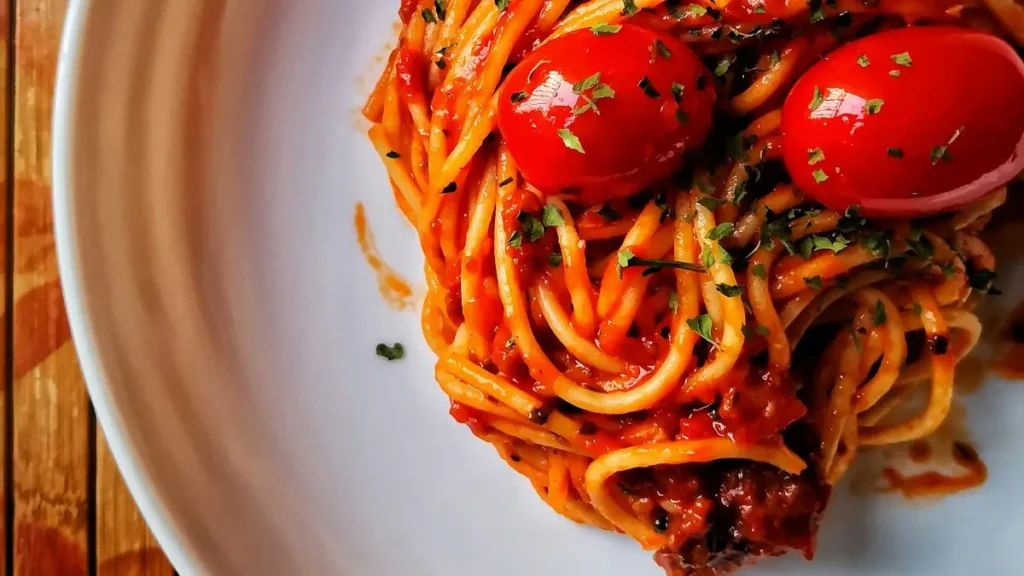
A great homemade spaghetti sauce needs nothing exotic: good canned tomatoes, olive oil, onion, garlic, a little tomato paste and time. Slow simmering for about 90 minutes turns those basics into a sauce that is deeper, rounder and far less sweet than anything in a jar.
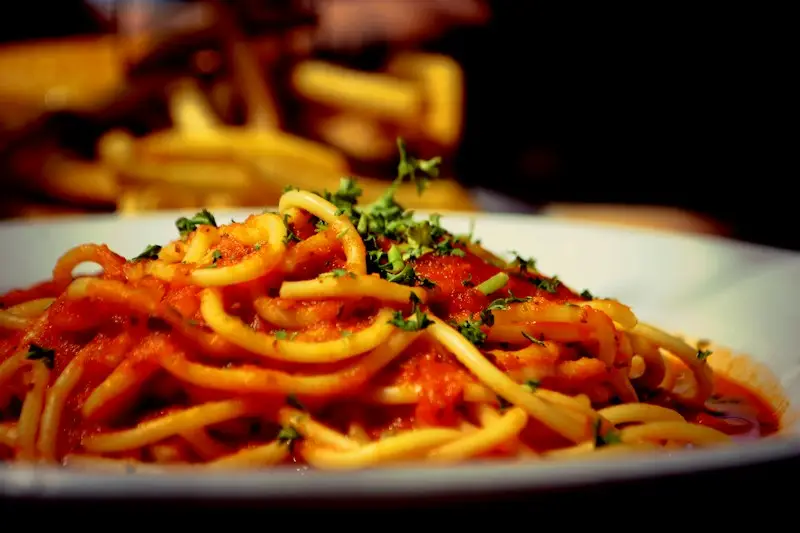
This is the everyday red sauce Italian-American kitchens have made for generations. It is meatless at heart, freezes perfectly and takes about 20 minutes of real work. The stove does the rest while the sauce thickens and the flavors meld.
Below you will find the full recipe, why each step matters, how to fix a sauce that tastes acidic or flat, and easy variations for meat sauce, spicy sauce and slow cooker days. Jump straight to the recipe card if you are ready to cook.
Why Homemade Spaghetti Sauce Beats Jarred
Jarred sauce is cooked hot and fast for shelf life, then often sweetened to balance the acidity. Simmering your own sauce slowly concentrates natural tomato sugars, so you get a rich flavor without added sugar or fillers.
You also control the salt, the texture and the herbs. A pot of homemade sauce costs roughly the same as two premium jars, yet it makes about six cups and tastes like it came from a restaurant kitchen.
| Feature | Homemade (this recipe) | Typical jarred sauce |
|---|---|---|
| Flavor | Deep, savory, balanced | Often sweet or flat |
| Added sugar | None needed | Frequently added |
| Sodium | You control it | Often high |
| Texture | Choose chunky or smooth | Fixed |
| Cost per batch | About the price of 2 premium jars for 6 cups | Varies by brand |
| Hands-on time | About 20 minutes | None |
Ingredients For Homemade Spaghetti Sauce
Every ingredient here earns its place. Use the best canned tomatoes you can find, because they make up most of the sauce and decide how good it tastes.
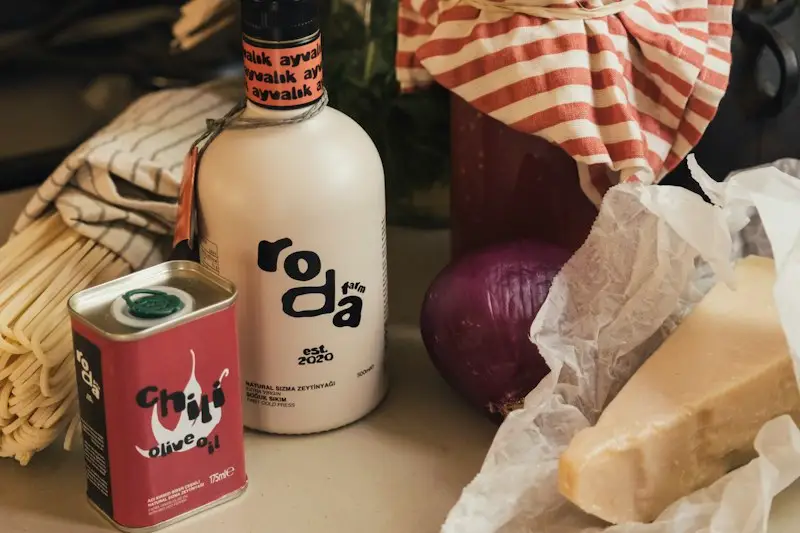
- Whole peeled tomatoes: two 28-ounce cans. San Marzano or other plum tomatoes are sweeter and less watery.
- Extra virgin olive oil: 1/4 cup, for sweating the vegetables and carrying flavor.
- Yellow onion: 1 large, finely chopped. It melts into the sauce and adds natural sweetness.
- Carrot: 1 small, finely grated. It balances acidity without sugar.
- Garlic: 5 cloves, thinly sliced or minced.
- Tomato paste: 2 tablespoons, cooked until it darkens for deep, savory flavor.
- Dry red wine: 1/2 cup (optional). Use broth or water to keep it alcohol-free.
- Dried oregano and red pepper flakes: 1 teaspoon oregano and a pinch of flakes.
- Bay leaf and Parmesan rind: optional, but the rind adds a rich, savory backbone.
- Fresh basil and butter: a handful of basil and 1 tablespoon butter to finish.
- Kosher salt and black pepper: to taste.
Choosing The Best Tomatoes For Sauce
Canned whole peeled tomatoes are the best choice for most of the year. They are picked and packed ripe, and whole tomatoes are usually higher quality than crushed or diced ones, which can contain firming agents that stop them breaking down.
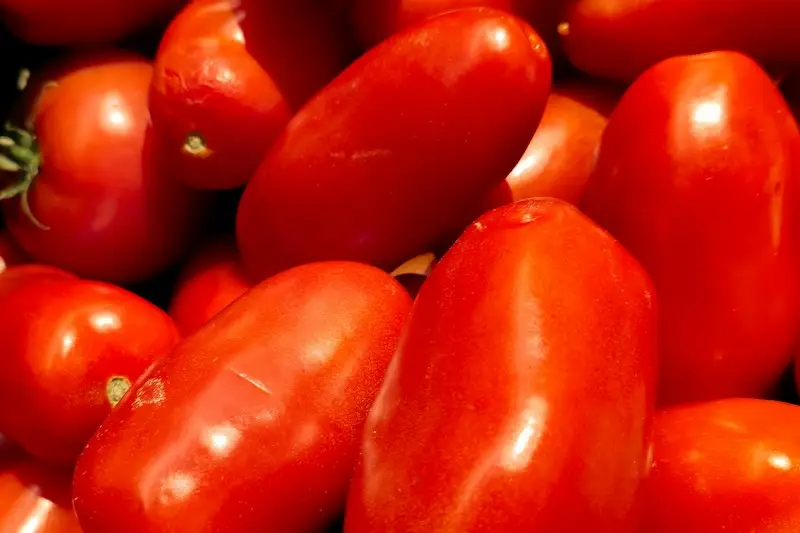
Crush the tomatoes by hand or with a potato masher right in the pot. Avoid blending raw tomatoes before cooking, because blending whips air into the seeds and can make the sauce taste bitter and turn orange.
Fresh tomatoes work beautifully in late summer. Use about 4 pounds of ripe Roma tomatoes, peeled and seeded, and plan on a slightly longer simmer, because fresh tomatoes hold more water.
| Tomato type | Best for | Notes |
|---|---|---|
| Canned whole peeled (San Marzano style) | Year-round sauce | Best flavor and texture; crush by hand |
| Canned crushed | Quick weeknight sauce | Smooth and fast, but quality varies |
| Canned diced | Chunky sauce | Often contain calcium chloride, so they stay firm |
| Fresh Roma, peak season | Summer sauce | Peel and seed; add 20 to 30 minutes of simmering |
How To Make Homemade Spaghetti Sauce, Step By Step
- 01
Sweat the onion and carrot
Warm the olive oil in a heavy pot over medium-low heat. Add the onion, grated carrot and a pinch of salt, then cook gently for 8 to 10 minutes until soft and golden, not browned.
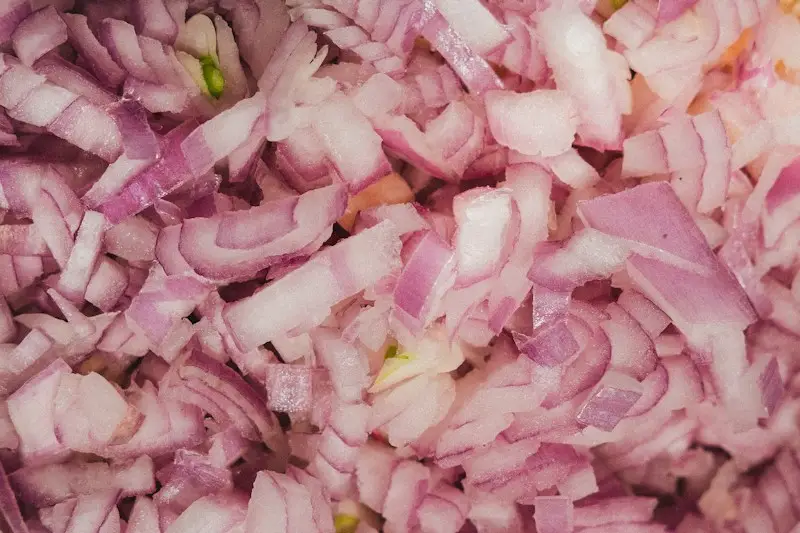
Photo by Benjamin Jauregui on Unsplash - 02
Bloom the garlic and tomato paste
Add the garlic, oregano and pepper flakes and cook for 1 minute. Stir in the tomato paste and cook for 2 to 3 minutes until it turns brick red. This caramelizes the paste and builds the savory base of the sauce.
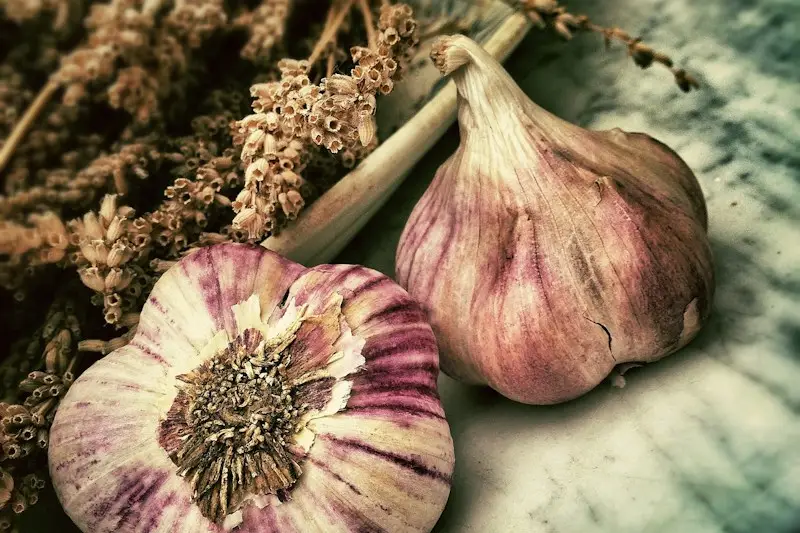
Photo by LoboStudio Hamburg on Unsplash - 03
Deglaze with wine
Pour in the wine and scrape up anything stuck to the pot. Let it bubble for 2 minutes until the alcohol smell fades.
- 04
Add the tomatoes
Add the tomatoes with their juices and crush them in the pot. Tuck in the bay leaf and Parmesan rind, then season with 1 teaspoon of salt.
- 05
- 06
Finish and season
Remove the bay leaf and rind. Stir in the butter and torn basil, then taste and adjust with salt, pepper or a splash of pasta water.
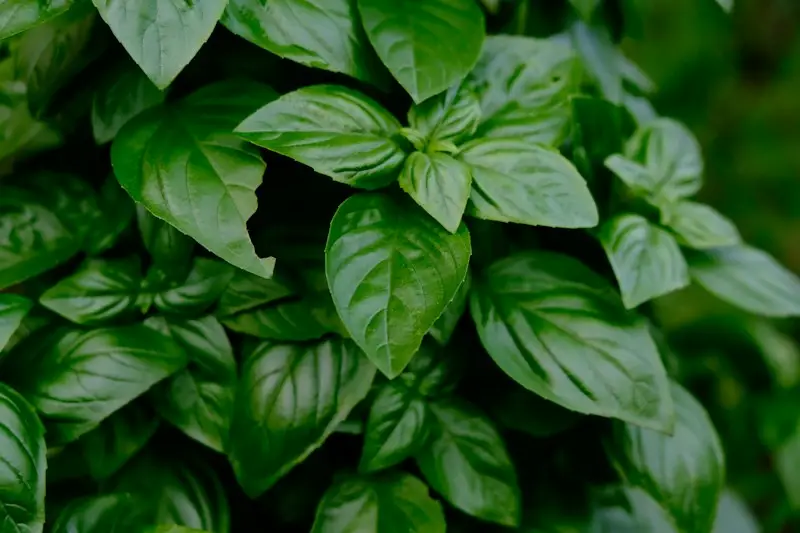
Photo by Yakov Leonov on Unsplash
How Long Should You Simmer Spaghetti Sauce?
Time changes the character of the sauce more than any ingredient. A short simmer keeps the tomatoes bright, while a long one deepens and sweetens them.
| Simmer time | Result | Best use |
|---|---|---|
| 30 minutes | Bright, fresh and a little loose | Quick weeknight pasta |
| 90 minutes | Rich, thick, balanced (this recipe) | Spaghetti, lasagna, baked ziti |
| 3 hours or more | Very deep and jammy | Meat sauce and Sunday gravy |
Keep the heat low and stir from the bottom, because tomato sauce scorches easily and a burned layer will make the whole pot taste bitter. A heavy Dutch oven helps a lot.
How To Fix Common Spaghetti Sauce Problems
Even a good sauce sometimes needs adjusting, because tomatoes vary from can to can. Taste at the end of cooking and make small changes rather than big ones.
| Problem | Why it happens | How to fix it |
|---|---|---|
| Too acidic or sharp | Tart tomatoes or a short simmer | Add butter, grated carrot, or a pinch of baking soda |
| Too thin or watery | Fresh tomatoes or a lid left on | Simmer uncovered for 15 to 20 more minutes |
| Bland or flat | Not enough salt or depth | Add salt in small steps and a spoon of tomato paste |
| Bitter | Scorched bottom or burned garlic | Transfer to a clean pot without scraping and add butter |
| Too thick | Over-reduced | Loosen with starchy pasta water |
| Too sweet | Very ripe tomatoes | Add a splash of red wine vinegar |
Easy Variations
This base sauce adapts to almost any craving. Make one of these swaps without changing the core method.
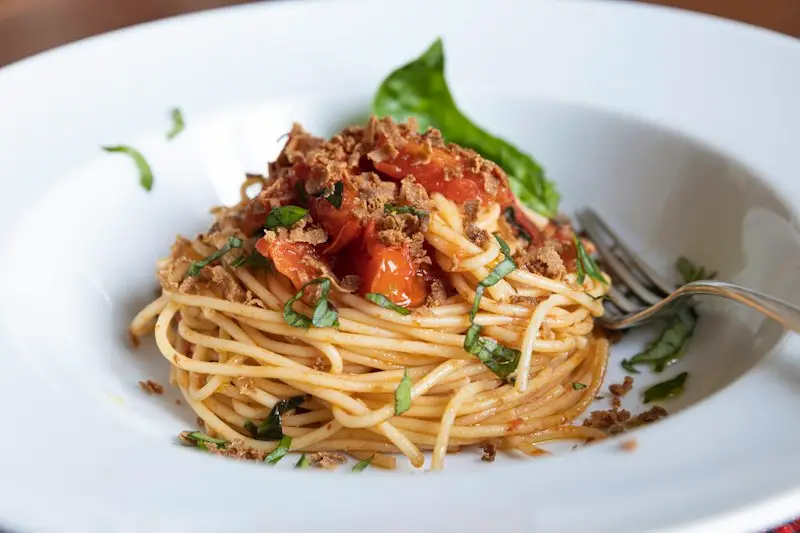
Meat sauce: brown 1 pound of ground beef or Italian sausage before the onions, drain the fat, then continue with the recipe. For a slow Sunday version, simmer for 3 hours.
Spicy sauce: double the red pepper flakes and add a finely chopped Calabrian chili for an arrabbiata-style kick.
Slow cooker sauce: complete steps 1 to 3 on the stove, then cook everything on low for 6 to 8 hours. Leave the lid slightly open for the final hour to thicken.
Smooth sauce: blend the finished sauce briefly with an immersion blender. Blending after cooking avoids the bitterness that raw blending can cause.
How To Serve Homemade Spaghetti Sauce
Cook the spaghetti until it is about 1 minute short of al dente and save a cup of the starchy pasta water. Finish the pasta in the sauce for a minute with a splash of that water, so the sauce clings to every strand instead of pooling on the plate.
Plan on about 1 cup of sauce for every 4 ounces of dry pasta. The sauce is also ideal for lasagna, baked ziti, meatball subs and chicken Parmesan.
For the ultimate plate, toss the sauce with fresh noodles made using our guide to making homemade pasta, then top with grated Parmesan and torn basil.
How To Store, Freeze And Reheat Spaghetti Sauce
Cool the sauce quickly and refrigerate it in airtight containers for 3 to 4 days, in line with the FoodSafety.gov cold storage chart. It tastes even better on day two, once the flavors settle.
For longer storage, freeze the sauce in freezer bags laid flat or in containers with an inch of headspace. It keeps its best quality for 3 to 4 months. Thaw overnight in the fridge and reheat gently with a splash of water.
Do not water-bath can this recipe, because it contains oil and low-acid vegetables. For shelf-stable jars, follow a tested recipe such as the National Center for Home Food Preservation spaghetti sauce, which uses a pressure canner.
Spaghetti Sauce FAQs
What Is The Difference Between Spaghetti Sauce And Marinara?
Marinara is a quick, simple sauce of tomatoes, garlic and herbs cooked for about 30 minutes. Spaghetti sauce usually simmers longer and often includes onion, tomato paste, wine or meat, so it tastes richer and thicker.
Should I Add Sugar To Spaghetti Sauce?
Usually not. A long simmer and a grated carrot balance acidity naturally. If your tomatoes are very sharp, add butter or a small pinch of baking soda before reaching for sugar.
How Do I Make Spaghetti Sauce Thicker?
Simmer it uncovered longer so excess water evaporates, and stir in a spoon of tomato paste. Avoid flour or cornstarch, which dull the flavor and texture.
Can I Use Fresh Tomatoes Instead Of Canned?
Yes. Use about 4 pounds of ripe Roma tomatoes, peeled and seeded, and simmer 20 to 30 minutes longer. Fresh tomatoes give a lighter, sweeter sauce in peak season.
How Long Does Homemade Spaghetti Sauce Last?
It keeps for 3 to 4 days in the refrigerator and 3 to 4 months in the freezer. Always cool it quickly and store it in airtight containers.
Can I Make Spaghetti Sauce Ahead Of Time?
Absolutely. The sauce tastes better after resting overnight, so it is ideal for meal prep. Make a double batch and freeze half for busy weeknights.
The recipe
Homemade Spaghetti Sauce
A rich, slow-simmered red sauce with whole tomatoes, olive oil, garlic and basil. Makes about 6 cups.
Ingredients
Instructions
- Sweat the onion and carrot. Warm the olive oil in a heavy pot over medium-low heat. Add the onion, grated carrot and a pinch of salt, then cook gently for 8 to 10 minutes until soft and golden, not browned.
- Bloom the garlic and tomato paste. Add the garlic, oregano and pepper flakes and cook for 1 minute. Stir in the tomato paste and cook for 2 to 3 minutes until it turns brick red. This caramelizes the paste and builds the savory base of the sauce.
- Deglaze with wine. Pour in the wine and scrape up anything stuck to the pot. Let it bubble for 2 minutes until the alcohol smell fades.
- Add the tomatoes. Add the tomatoes with their juices and crush them in the pot. Tuck in the bay leaf and Parmesan rind, then season with 1 teaspoon of salt.
- Simmer low and slow. Bring to a gentle bubble, then reduce the heat to low. Simmer partly covered for about 90 minutes, stirring every 15 minutes, until thick and glossy.
- Finish and season. Remove the bay leaf and rind. Stir in the butter and torn basil, then taste and adjust with salt, pepper or a splash of pasta water.
Notes
For meat sauce, brown 1 lb ground beef or Italian sausage first and drain the fat. Refrigerate up to 4 days or freeze up to 4 months.