In this recipe
- Recipe at a Glance: Yield, Times and Equipment
- Ingredients List With Exact Quantities
- What Is Jerk Seasoning?
- Best Pasta Shapes for Rasta Pasta
- How to Cook the Jerk Chicken
- How to Make the Creamy Pepper Sauce
- How to Assemble Rasta Pasta Step by Step
- How to Control the Heat
- Easy Variations and Substitutions
- What to Serve With Rasta Pasta
- Storage and Reheating
- Nutrition Notes Per Serving
- Rasta Pasta FAQs
- Printable Recipe Card
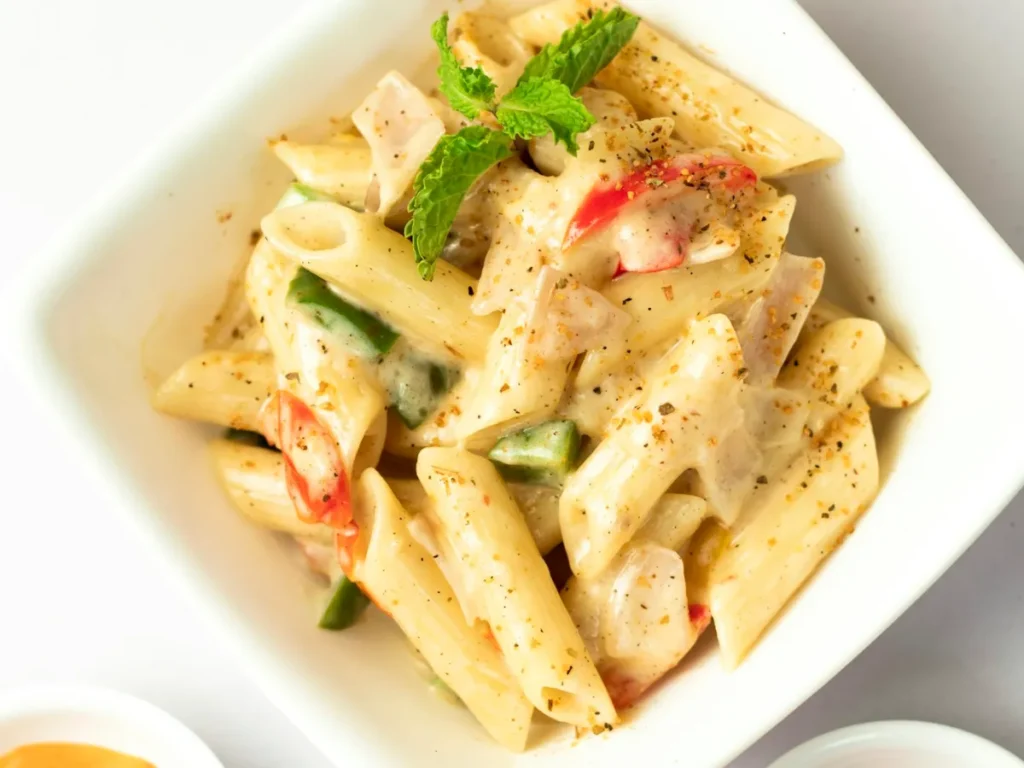
This rasta pasta recipe tosses penne and jerk-spiced chicken in a creamy, peppery Parmesan sauce loaded with red, yellow and green bell peppers. It is bold, a little smoky and ready in about 50 minutes from start to finish.
The name comes from the pepper colors, which echo the red, gold and green of the Rastafarian flag. The dish grew up in Jamaican-American kitchens, where jerk seasoning meets a rich Alfredo-style cream sauce.
Serve it for a weeknight dinner that feels special, or double it for a crowd. You control the heat, so it works for families who like mild flavor and for anyone who wants a real Scotch bonnet kick.
Recipe at a Glance: Yield, Times and Equipment
This recipe makes 6 generous servings of about 1 1/2 cups each. It feeds a family of four with leftovers for lunch, or six adults with a side salad or garlic bread on the table.
Plan for 20 minutes of prep and 30 minutes of cooking, for a total of about 50 minutes. If you have time, marinate the chicken in jerk seasoning for 30 minutes to overnight for deeper flavor.
You need a large pot for the pasta, a 12-inch skillet or sauté pan, a colander, a sharp knife and a cutting board. An instant-read thermometer helps you cook the chicken perfectly without drying it out.
Ingredients List With Exact Quantities
For the chicken, use 1 1/2 pounds (680 g) boneless, skinless chicken breasts or thighs, cut into bite-size pieces. Season with 2 tablespoons jerk seasoning, 1 tablespoon olive oil and 1/2 teaspoon kosher salt.
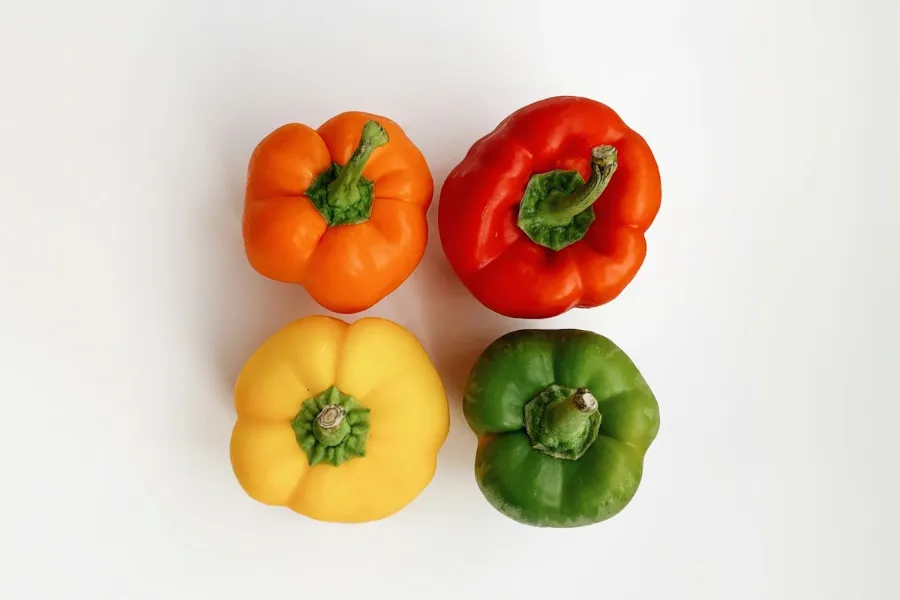
For the pasta and vegetables, use 1 pound (454 g) penne, 1 each red, yellow and green bell pepper, 1 small yellow onion, 4 garlic cloves, 4 green onions and 1 teaspoon fresh thyme leaves.
For the sauce, use 2 tablespoons unsalted butter, 1 1/2 cups (360 ml) heavy cream, 1 cup (100 g) finely grated Parmesan, 1 to 2 teaspoons extra jerk seasoning and 1/2 cup reserved pasta water. Add half a Scotch bonnet if you like heat.
What Is Jerk Seasoning?
Jerk seasoning is a Jamaican spice blend built on allspice, known locally as pimento, plus thyme and fiery Scotch bonnet peppers. Most versions also include garlic, green onion, black pepper, cinnamon, nutmeg and a little brown sugar.
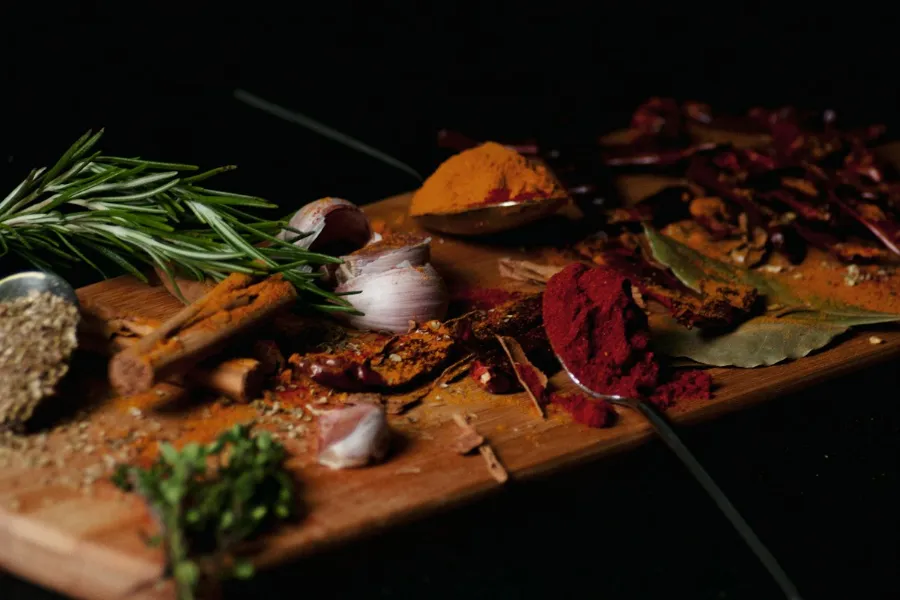
You can buy it as a dry rub or a wet paste. Dry rubs give a toasty crust and milder heat. Wet pastes, such as the jarred kinds sold in Caribbean aisles, are hotter, saltier and more aromatic, so use less.
To make a quick homemade dry blend, mix 1 tablespoon each of allspice, dried thyme, onion powder and brown sugar with 2 teaspoons garlic powder, 1 teaspoon each of cayenne, black pepper and salt, and 1/2 teaspoon cinnamon and nutmeg.
Best Pasta Shapes for Rasta Pasta
Penne is the classic choice. Its hollow tubes and ridges trap the thick cream sauce, and the shape matches the size of the sliced peppers and chicken, so every forkful gets a little of everything.
Rigatoni, ziti and fusilli work just as well. Fusilli holds sauce in its spirals, while rigatoni gives a heartier bite. Long pastas such as fettuccine are fine too, but they make the peppers harder to eat.
Whatever shape you choose, cook it 1 minute short of the package time. The pasta finishes in the sauce, absorbing flavor without turning soft. The same trick keeps our Italian pasta salad pleasantly firm.
How to Cook the Jerk Chicken
Pat the chicken dry, then toss it with jerk seasoning, olive oil and salt. Dry meat browns better, and browning builds a smoky crust that flavors the whole sauce later in the recipe.
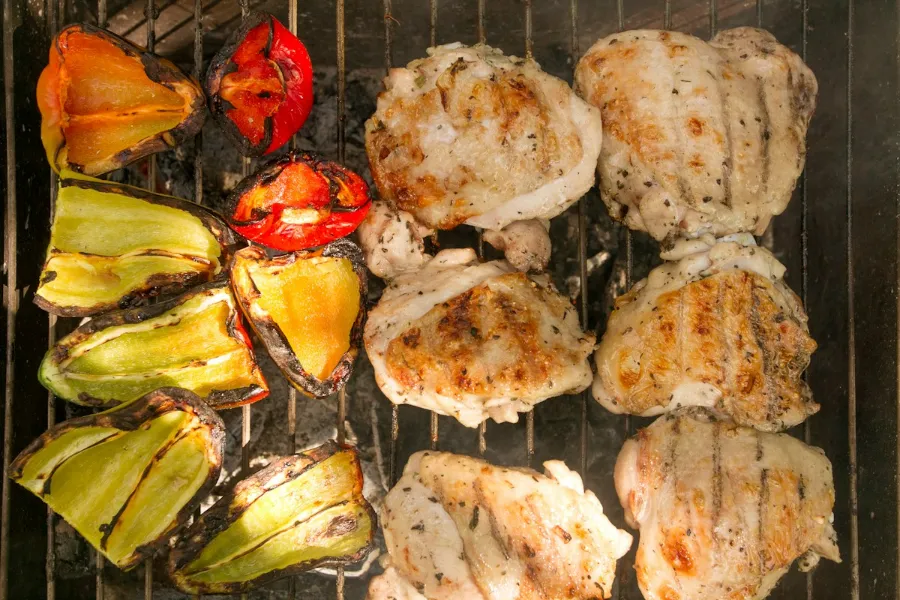
Heat the skillet over medium-high heat until shimmering. Add the chicken in a single layer and leave it alone for 3 to 4 minutes, then flip and cook another 3 to 4 minutes until browned.
Chicken is done when it reaches 165°F (74°C) in the thickest piece. Move it to a plate and keep the browned bits in the pan, because those bits, called fond, carry much of the jerk flavor.
How to Make the Creamy Pepper Sauce
Lower the heat to medium and melt the butter in the same pan. Add the onion and bell peppers and cook for 4 to 5 minutes, until the peppers soften slightly but keep some crunch and bright color.
Stir in the garlic, the white parts of the green onions, thyme and Scotch bonnet, if using. Cook for 1 minute until fragrant. Then, pour in the heavy cream and scrape up every browned bit from the pan.
Simmer gently for 3 to 4 minutes until the cream thickens enough to coat a spoon. Add the extra jerk seasoning, then remove the pan from the heat before stirring in the Parmesan, so the cheese melts smoothly.
How to Assemble Rasta Pasta Step by Step
While the sauce simmers, boil the pasta in well-salted water. Reserve 1 cup of the cooking water before draining. That starchy water is the key to a glossy sauce that clings instead of turning greasy.
Add the drained pasta and the chicken, with any juices, to the sauce. Toss over low heat for 1 to 2 minutes, adding pasta water a splash at a time until the sauce is creamy and coats every piece.
Taste and adjust with salt, pepper or more jerk seasoning. Finish with the green parts of the onions and a little extra Parmesan. Serve right away, because cream sauces thicken quickly as they cool.
How to Control the Heat
Jerk seasoning brands vary widely in heat, so start with less and add more at the end. Wet pastes are usually much hotter than dry rubs, and 1 tablespoon of paste can equal 2 or more of a dry blend.
Scotch bonnets are very hot, often 100,000 to 350,000 Scoville heat units. For gentle warmth, add a whole pepper to the sauce and remove it before serving. For more heat, mince a small piece, removing the seeds.
If the dish turns out too spicy, stir in more cream or Parmesan, or serve it with a cool side such as cucumber salad. Dairy fat softens capsaicin, the compound that makes peppers taste hot.
Easy Variations and Substitutions
For jerk shrimp rasta pasta, swap the chicken for 1 1/2 pounds (680 g) large peeled shrimp. Sear them for about 1 to 2 minutes per side, just until pink, then add them back at the very end.
For a lighter sauce, replace half the cream with whole milk and thicken it with 1 tablespoon of flour cooked in the butter. For a dairy-free version, use full-fat coconut milk and nutritional yeast instead of cream and cheese.
For a vegetarian meal, skip the chicken and add sautéed mushrooms, chickpeas or extra vegetables such as zucchini. Smoked turkey sausage or andouille also works well for a smokier, meatier twist.
What to Serve With Rasta Pasta
A crisp green salad with a lime vinaigrette cuts through the rich sauce. Steamed broccoli, green beans or a simple cabbage slaw also balance the plate and add color next to the creamy pasta.
For a Caribbean-inspired meal, serve fried sweet plantains on the side. Their caramelized sweetness pairs well with jerk spice and heat. Warm garlic bread or festival dumplings are good for mopping up extra sauce.
To drink, try a cold ginger beer, sorrel or a fruity iced tea. Their sweetness and spice match the jerk flavors, and the chill helps tame any heat from the Scotch bonnet.
Storage and Reheating
Cool leftovers within 2 hours and store them in an airtight container in the refrigerator for up to 3 to 4 days. That timing follows standard food safety advice for cooked chicken and dairy-based sauces.
Reheat on the stovetop over low heat with a splash of milk or water, stirring often, until the sauce loosens and the dish is hot throughout. In the microwave, reheat in short bursts and stir between them.
Freezing is possible, but cream sauces can separate and turn grainy once thawed. If you plan ahead, freeze the cooked chicken and sauce without the pasta, then combine with freshly cooked noodles.
Nutrition Notes Per Serving
Each of 6 servings contains an estimated 780 calories, about 43 g of protein, 63 g of carbohydrate and 39 g of fat. These are rough estimates and change with your brands, cut of chicken and cheese.
The chicken and Parmesan make this a high-protein meal, while the three bell peppers add vitamin C and fiber. Most of the fat comes from the heavy cream, butter and cheese in the sauce.
For a lighter plate, use the milk-and-flour sauce, increase the vegetables and serve smaller portions with a large salad. Using chicken breast rather than thighs also trims some fat. For a tomato-based option, try our homemade spaghetti sauce.
Rasta Pasta FAQs
Why Is It Called Rasta Pasta?
The red, yellow and green bell peppers mirror the colors associated with the Rastafarian movement and the Ethiopian flag. Combined with Jamaican jerk seasoning, the colors gave the dish its name.
Is Rasta Pasta Spicy?
It can be mild or hot. The heat depends on your jerk seasoning and whether you add Scotch bonnet. Start with a little seasoning and add more at the end, once you have tasted the sauce.
Can I Make Rasta Pasta Without Heavy Cream?
Yes. Use whole milk thickened with a little flour, or full-fat coconut milk for a dairy-free version. Both make a creamy sauce, though coconut milk adds a gentle tropical sweetness.
What Is the Best Jerk Seasoning for Rasta Pasta?
Any good jerk blend with allspice, thyme and Scotch bonnet works. Wet pastes give a bolder, hotter flavor, while dry rubs are milder and easier to control. Taste as you go.
Can I Make Rasta Pasta Ahead of Time?
You can cook the chicken and sauce up to a day ahead and refrigerate them. Reheat gently with a splash of milk, then toss with freshly cooked pasta for the best texture.
Should I Use Chicken Breast or Thighs?
Both work. Thighs stay juicier and are harder to overcook, while breasts are leaner. Cook either to 165°F (74°C) and cut them into even pieces so they finish at the same time.
The recipe
Creamy Jerk Chicken Rasta Pasta
Penne and jerk-seasoned chicken in a creamy Parmesan pepper sauce with red, yellow and green bell peppers. Mild or fiery, your choice.
Ingredients
Instructions
- Season the chicken. Pat the chicken dry and toss it with 2 tablespoons jerk seasoning, the olive oil and 1/2 teaspoon salt. Marinate for 30 minutes or up to overnight if you have time.
- Sear the chicken. Heat a 12-inch skillet over medium-high heat. Cook the chicken in a single layer for 3 to 4 minutes per side until browned and 165°F (74°C) inside. Transfer to a plate.
- Cook the pasta. Boil the penne in well-salted water until 1 minute short of the package time. Reserve 1 cup of pasta water, then drain.
- Sauté the peppers. Lower the heat to medium, melt the butter in the same skillet and cook the onion and bell peppers for 4 to 5 minutes until just tender.
- Build the sauce. Add the garlic, white parts of the green onions, thyme and Scotch bonnet. Cook for 1 minute, then pour in the cream, scrape up the browned bits and simmer for 3 to 4 minutes until slightly thickened.
- Add the cheese. Stir in 1 to 2 teaspoons jerk seasoning. Take the pan off the heat and stir in the Parmesan until smooth.
- Toss and serve. Add the pasta and chicken, tossing over low heat with splashes of pasta water until glossy. Season to taste, top with green onion and extra Parmesan, and serve right away.
Notes
Jerk seasoning brands vary in salt and heat, so taste before adding extra salt. Leftovers keep for 3 to 4 days in the fridge. Reheat gently with a splash of milk.